
Winter in Serbia does not always mean snow, ski resorts, and mountain escapes. In fact, more and more seasons pass without a proper snow cover, leaving travelers wondering where to go when traditional winter destinations fall short. The good news is that this is exactly when Serbia reveals a different, calmer, and often more authentic side — one beyond ski slopes and seasonal expectations.
During snowless winters, travel naturally shifts toward lower regions, cities, river valleys, spas, and wine areas. Instead of adrenaline, the focus turns to atmosphere, experience, and slow travel.
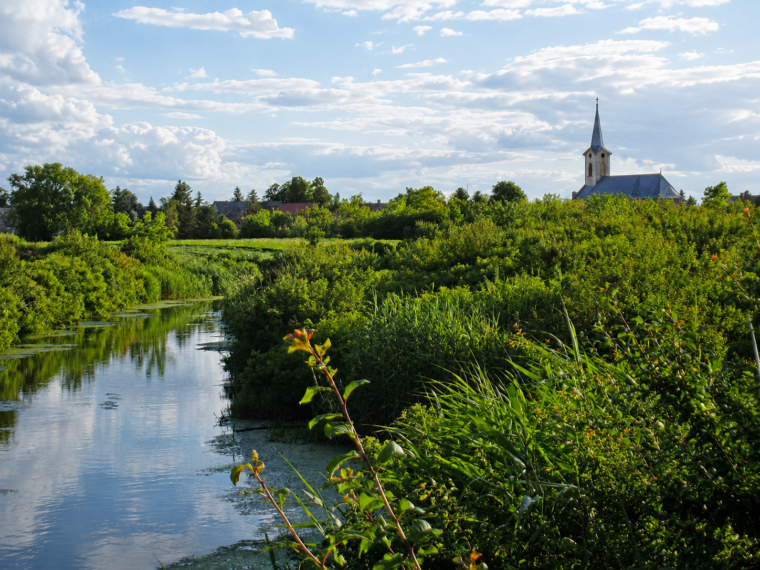
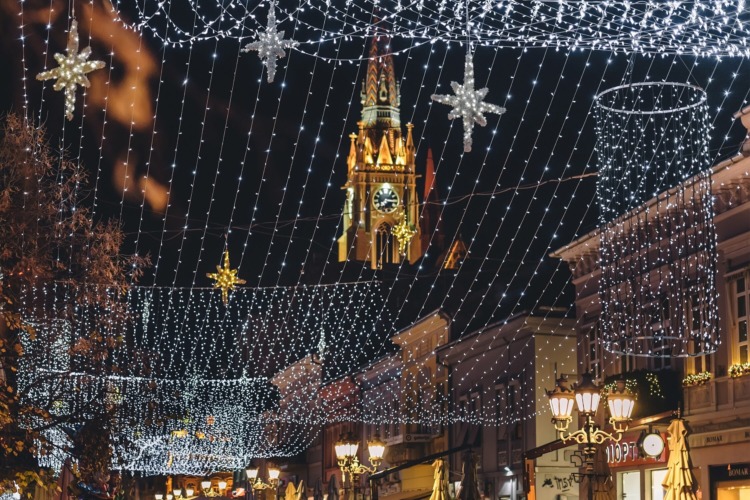
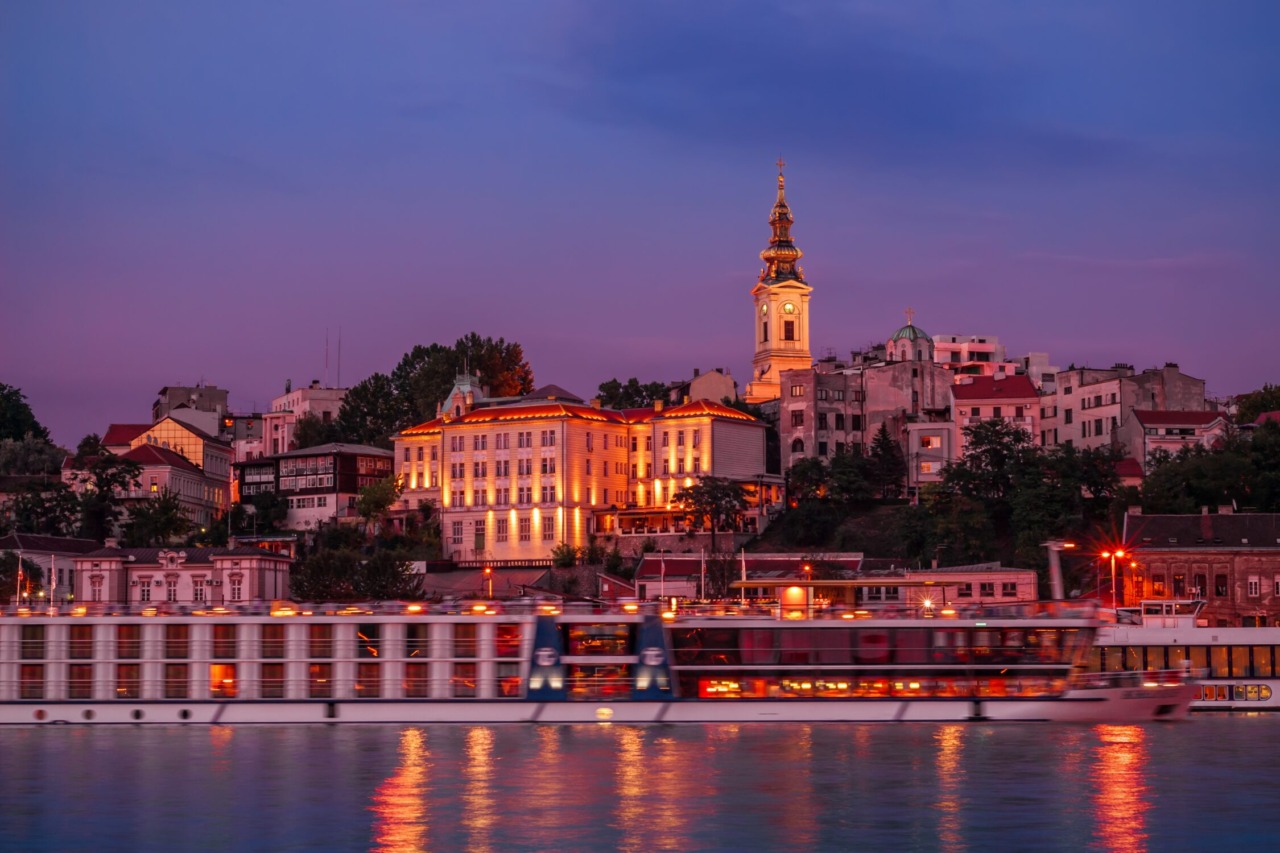
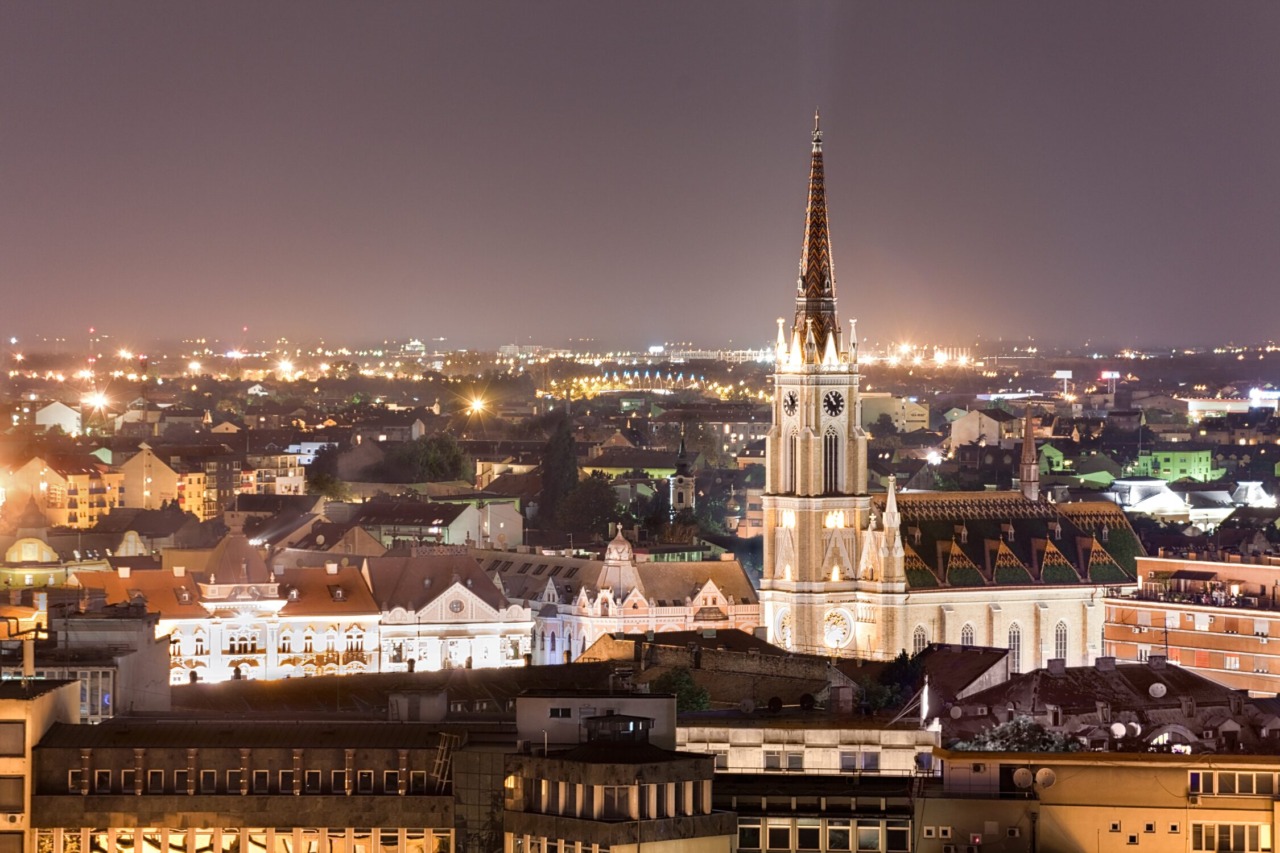
Cities become an obvious choice. Belgrade and Novi Sad offer pleasant winter walks without harsh cold, cafés with outdoor seating, and a rich cultural calendar. Museums, galleries, restaurants, and quiet streets feel more accessible and relaxed when snow and crowds are absent. Smaller cities such as Subotica, Sombor, or Zaječar provide what many travelers seek — silence, architecture, and a slower local rhythm that winter amplifies.
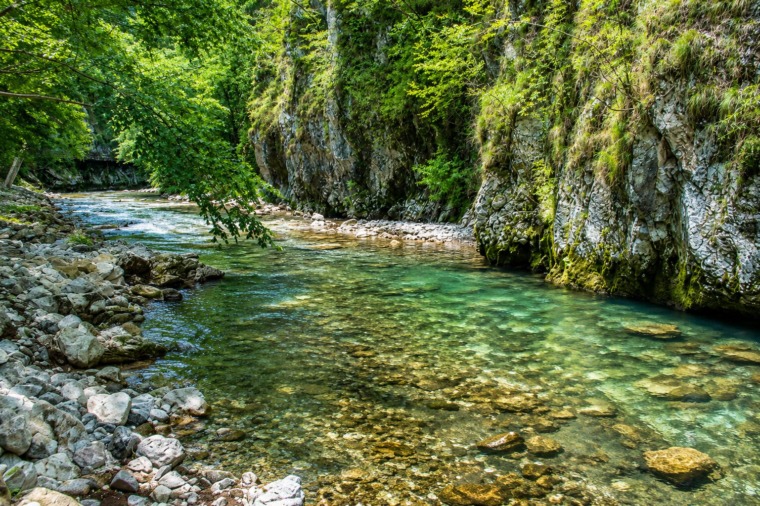
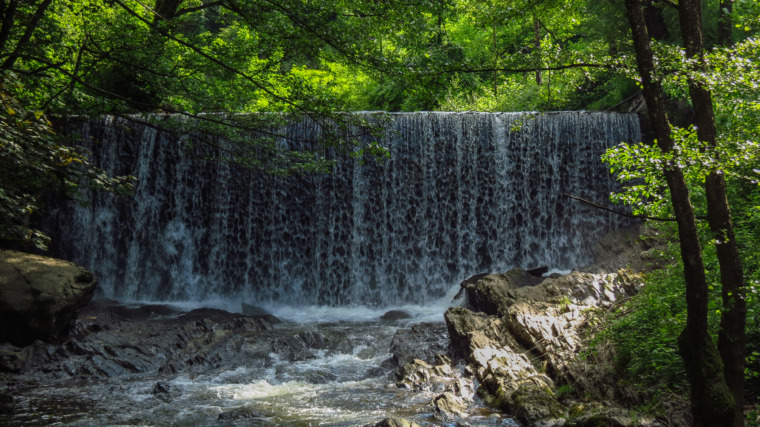
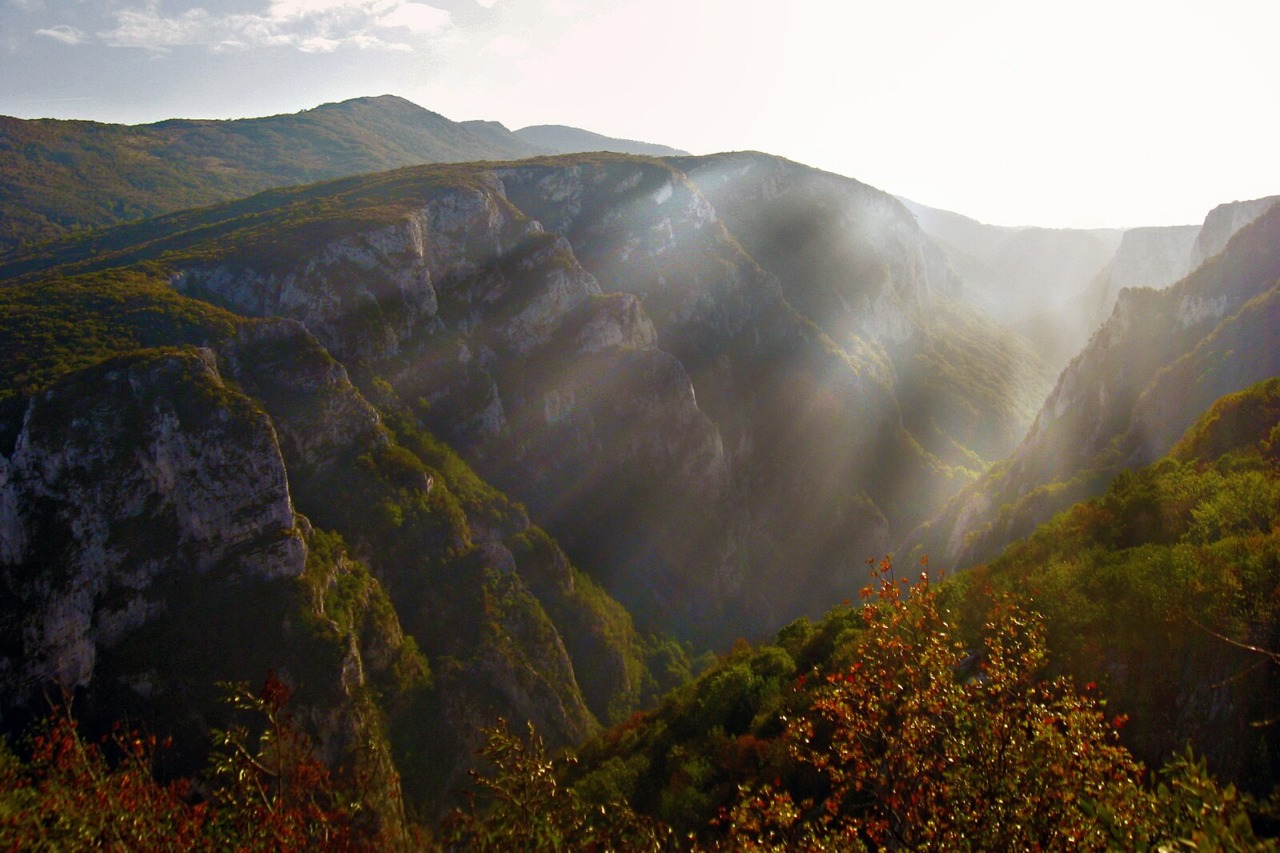
Southern and eastern Serbia truly shine when mountains are not an option. Gorges, river valleys, and low-altitude landscapes remain accessible, often bathed in soft winter sunlight. Sićevo Gorge, Lazar’s Canyon, and the Timok Valley feel dramatic yet approachable, ideal for easy walks, photography, and short escapes. Without snow, nature appears raw and open, with sharper contrasts and deeper silence.
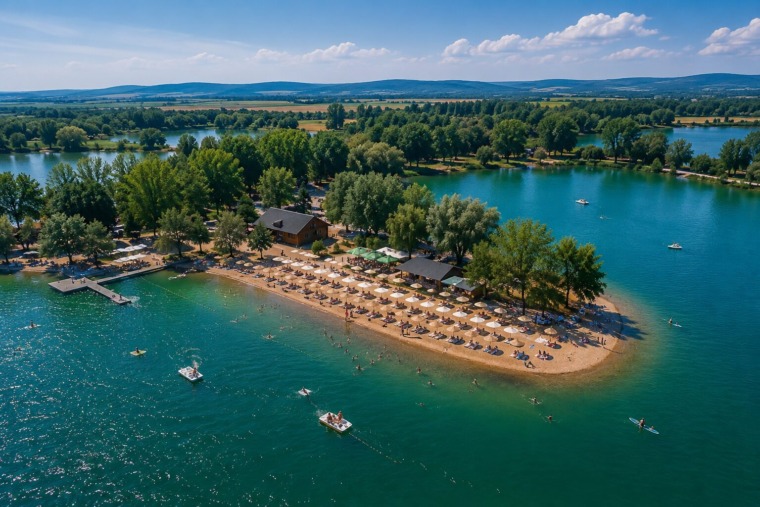
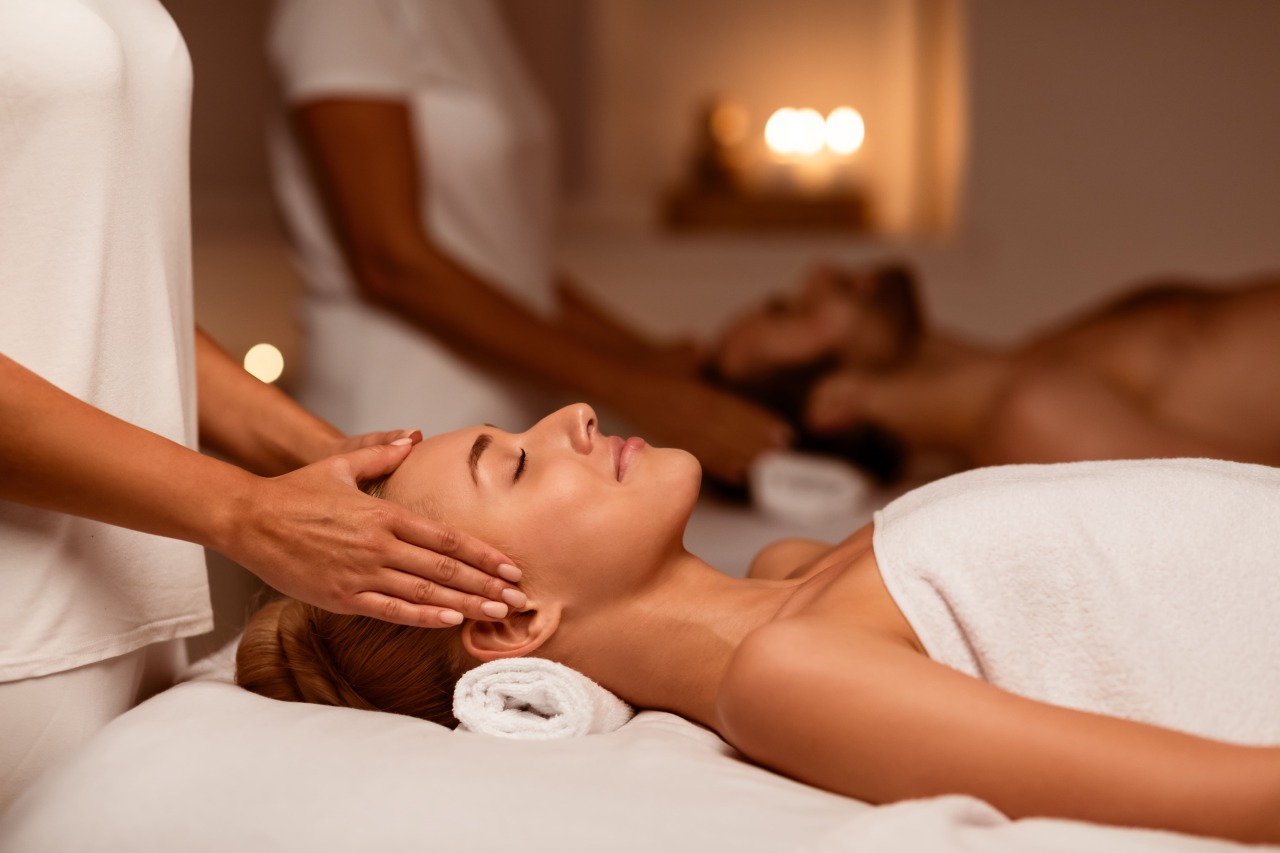
Spas may be the best answer to a snowless winter. Thermal waters, wellness centers, and park walks take center stage. Vrnjačka Banja, Sokobanja, Prolom Spa, and Vrdnik offer warmth and relaxation that feel even more appealing without icy conditions. Outdoor time becomes comfortable, and the sense of recovery feels complete.
Serbia’s wine regions also gain new importance. Fruška Gora, Župa, Šumadija, and the Negotin area offer quiet vineyards, open cellars, and intimate tastings. Winter without snow allows more personal encounters with winemakers and a deeper understanding of local terroir. Without seasonal crowds, every visit feels unhurried and authentic.

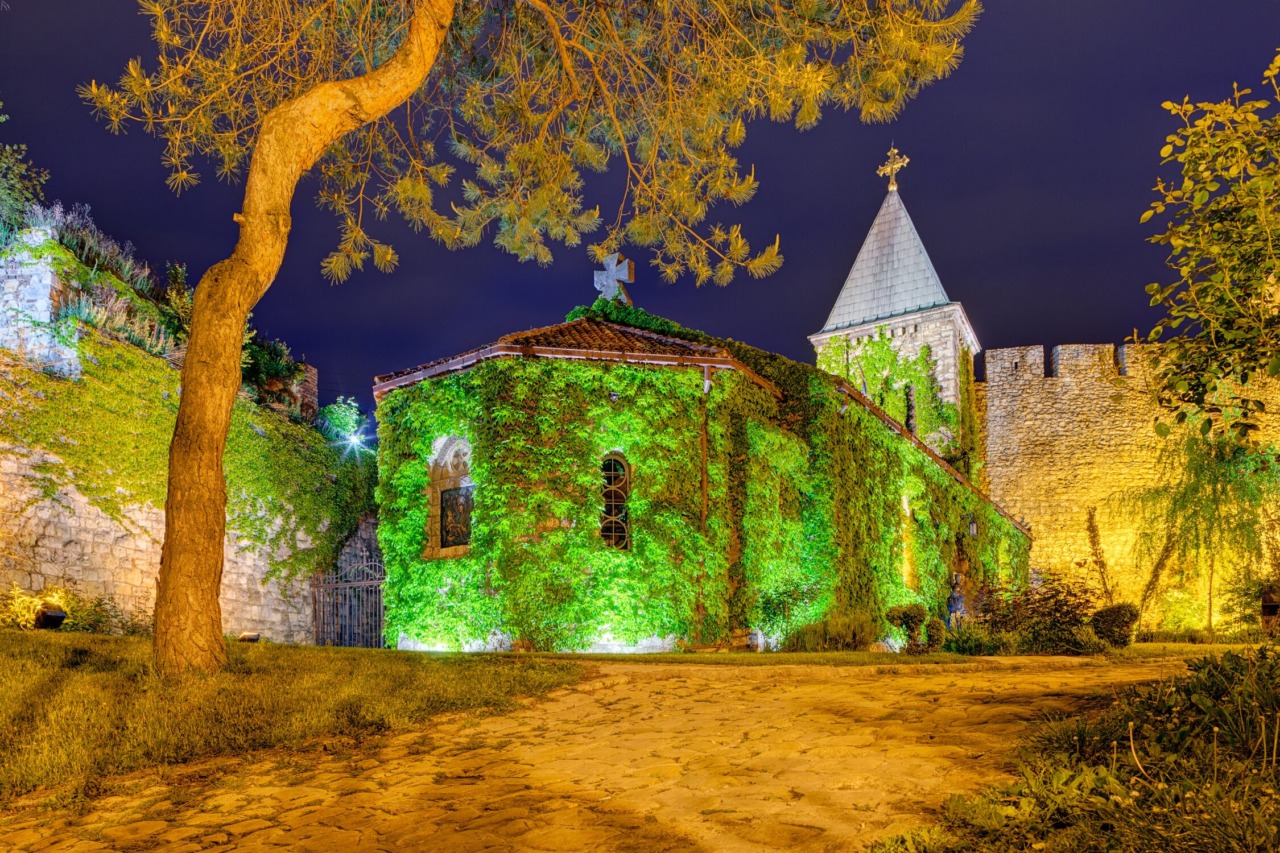
Monasteries and cultural heritage sites located in valleys and lowlands are especially attractive during these winters. Easier access and peaceful surroundings create ideal conditions for reflection and slow exploration. Sacred sites in Fruška Gora, along the Morava Valley, or near Novi Pazar offer a sense of simplicity and inner calm, without logistical challenges.
Ultimately, a winter without snow reshapes the idea of travel itself. It encourages shorter trips, closer destinations, and more time spent walking, observing, and connecting. Instead of chasing snow, travelers discover mood and meaning.
In such winters, Serbia may be quieter, but it becomes more honest. And journeys that do not depend on weather forecasts often linger in memory the longest.
Related Articles
5 Easy Hikes in Serbia for People Who Don’t Usually Hike
September 15, 2026
7 Places in Serbia Where Summer Lasts a Little Longer
September 3, 2026