History often remembers explorers, pioneers, and trailblazers as men. Yet throughout Serbian history, there have been remarkable women who stepped beyond the boundaries imposed by their time. They traveled across continents, climbed mountains, pursued education where women were rarely welcome, and entered professions that society believed belonged only to men.
Their journeys were not always about crossing physical borders. Sometimes the greatest adventure was challenging expectations – studying abroad when women were discouraged from higher education, creating art on international stages, or proving that courage and curiosity have no age limit.
These five Serbian women remind us that exploration can take many forms: through travel, knowledge, creativity, or sheer determination.
Jelena Dimitrijević – A Serbian Woman Who Traveled the World
Long before travel blogs, airplanes, and global tourism, Jelena Dimitrijević was already exploring the world. Born in 1862, she became one of the most widely traveled Serbian women of her time. At the beginning of the 20th century, when it was uncommon for women to travel independently, Dimitrijević journeyed across Europe, the Ottoman Empire, North Africa, India, Japan, and the United States.
Her travels inspired a series of books and essays in which she described the cultures she encountered and, most notably, the lives of women in different societies. She was particularly interested in understanding the daily lives of women in the Ottoman world, which she documented with curiosity and empathy.
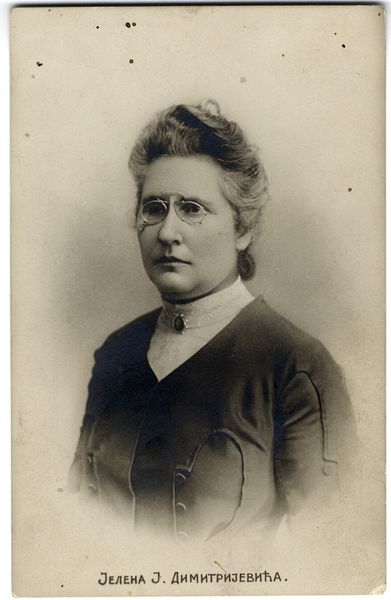
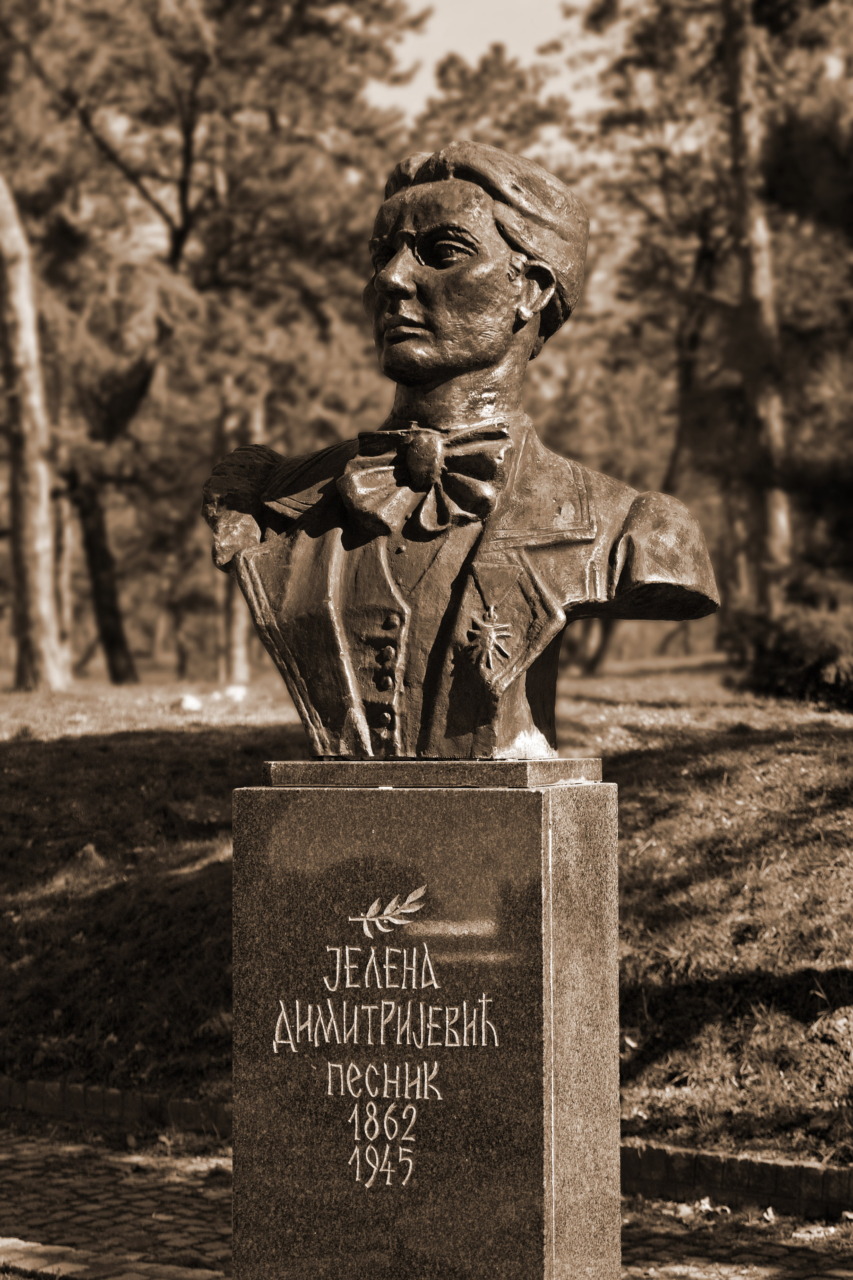
Through her writing, Dimitrijević opened a window to distant cultures for Serbian readers and established herself as one of the earliest Serbian travel writers. Her courage to explore the world alone made her a true pioneer of adventure and cultural discovery.
Jelena Minardi – The Mountaineer Who Defied Age
Adventure does not always belong to the young – sometimes it belongs to those who simply refuse to stop exploring. Jelena Minardi from Niš became known as the oldest mountaineer in the world. Born in 1919, she discovered her passion for mountains later in life but quickly turned it into a lifelong commitment to exploration.
Over the decades, Minardi climbed numerous mountains across Serbia and Europe, becoming an inspiration within the mountaineering community. Even in her nineties, she remained active on hiking trails.
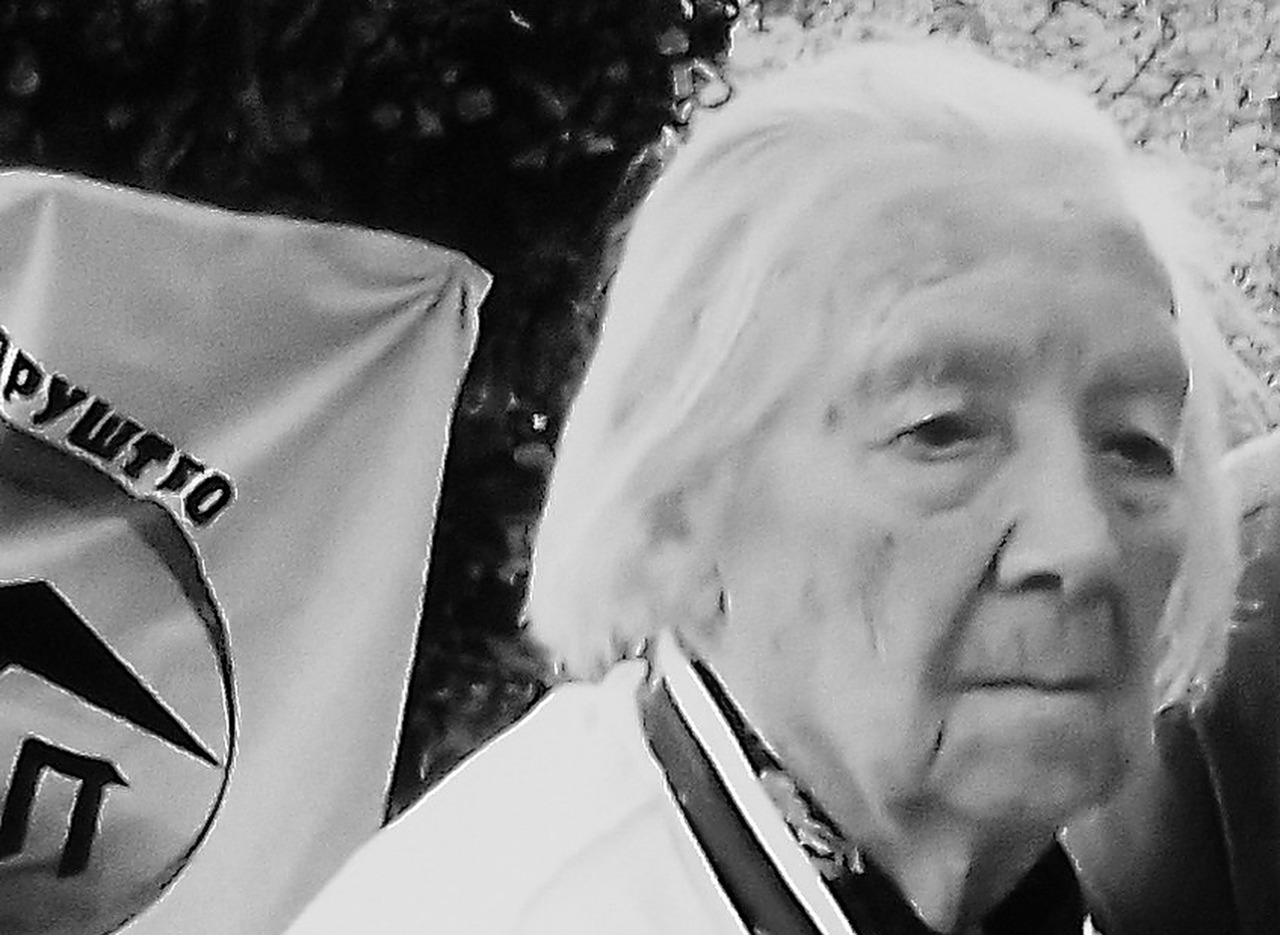
One of the most remarkable moments of her later years came when, at the age of 96, she participated in the famous Fruška Gora hiking marathon and completed a 14-kilometer trail. Minardi often said that every climb added two more years to her life. For her, the mountains were not just landscapes to conquer – they were places of energy, peace, and freedom.
Isidora Sekulić – A Traveler of Ideas and Cultures
Isidora Sekulić was not only one of Serbia’s most respected writers but also one of the most intellectually adventurous women of her time. Born in 1877, Sekulić traveled extensively throughout Europe and spoke several languages. Her journeys inspired essays and travel writings that reflected her deep curiosity about cultures, societies, and philosophy.
Her famous travel essays reveal a woman who approached the world with sharp observation and intellectual independence. She believed that traveling was not only about geography but also about understanding humanity and different ways of thinking.
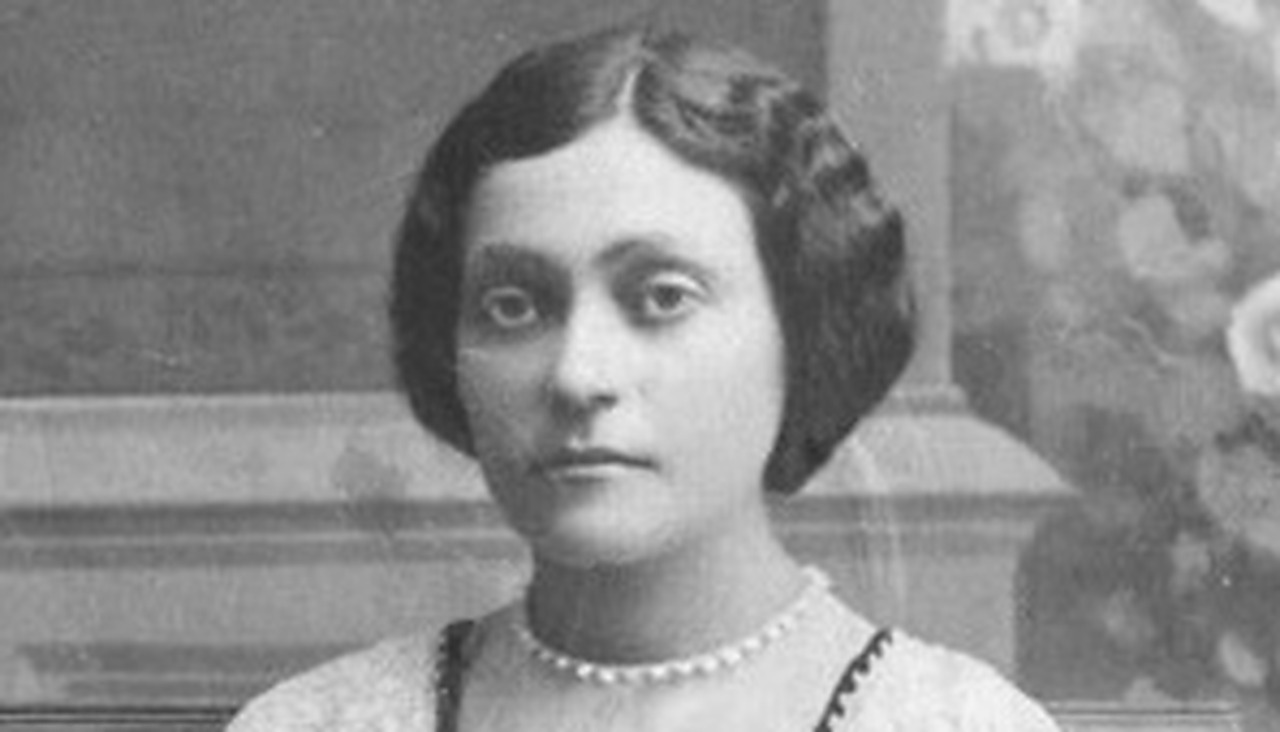
Sekulić later became the first female member of the Serbian Academy of Sciences and Arts – a remarkable achievement at a time when academic institutions were almost exclusively male. Her life demonstrated that crossing borders can also mean expanding intellectual horizons.
Draga Ljočić – The Woman Who Became Serbia’s First Female Doctor
In the late 19th century, the idea of a woman studying medicine seemed almost impossible. Draga Ljočić refused to accept that limitation. Born in 1855, she left Serbia to study medicine at the University of Zurich – one of the few universities in Europe that allowed women to enroll at the time. Her decision alone required courage, determination, and an extraordinary belief in her abilities.
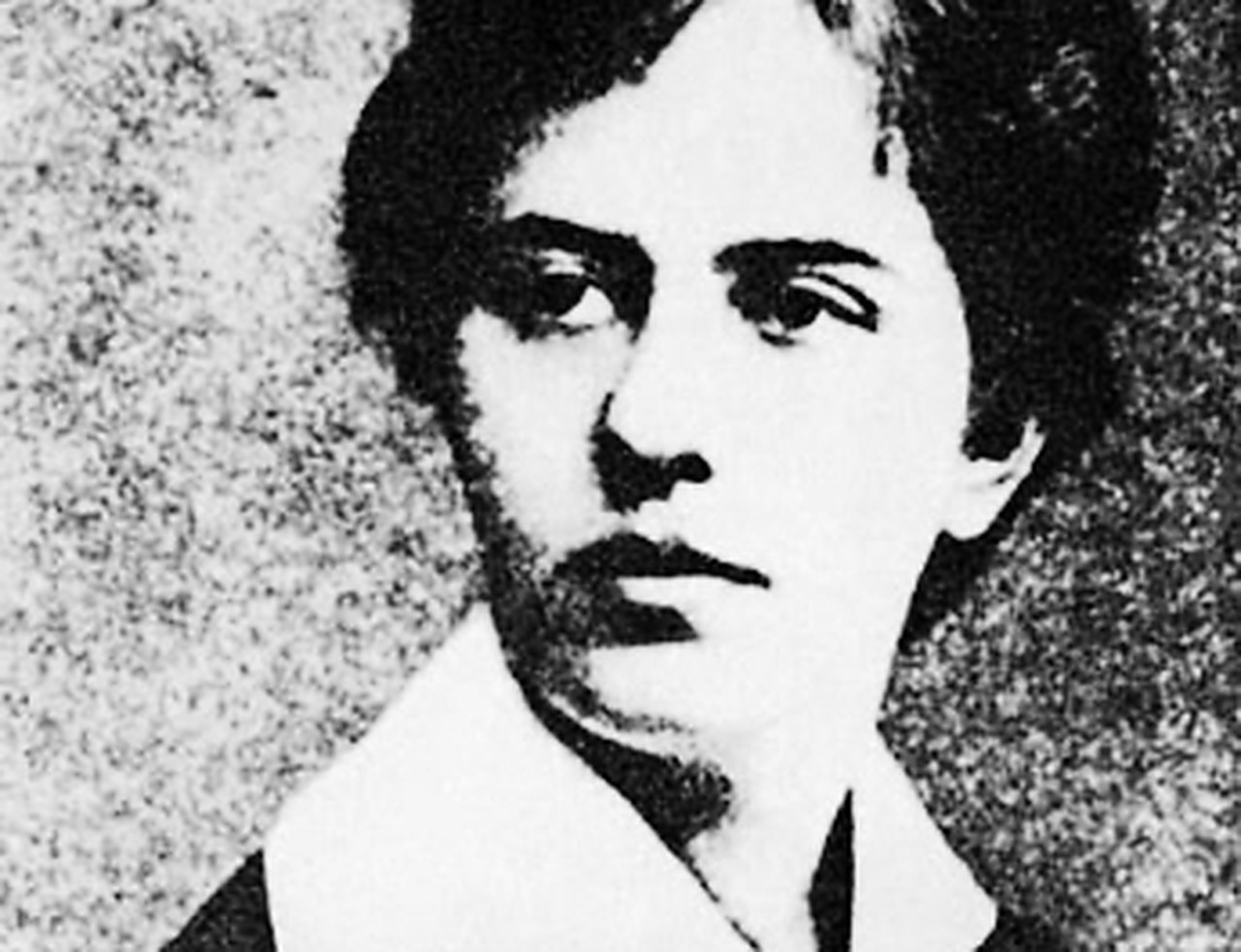
After completing her studies, Ljočić returned to Serbia and became the country’s first female physician. She worked as a doctor during wars, treated the wounded, and dedicated her career to improving healthcare. Beyond medicine, she was also an early advocate for women’s rights, fighting for better education and social opportunities for women in Serbia.
By entering a profession that had been closed to women, she crossed one of the most significant social borders of her era.
Jelisaveta Načić – Serbia’s First Woman Architect
At the beginning of the 20th century, architecture was almost entirely dominated by men. Jelisaveta Načić changed that. Born in 1878, she became the first woman to graduate in architecture from the University of Belgrade. Soon after, she began designing public buildings and urban spaces in the Serbian capital.
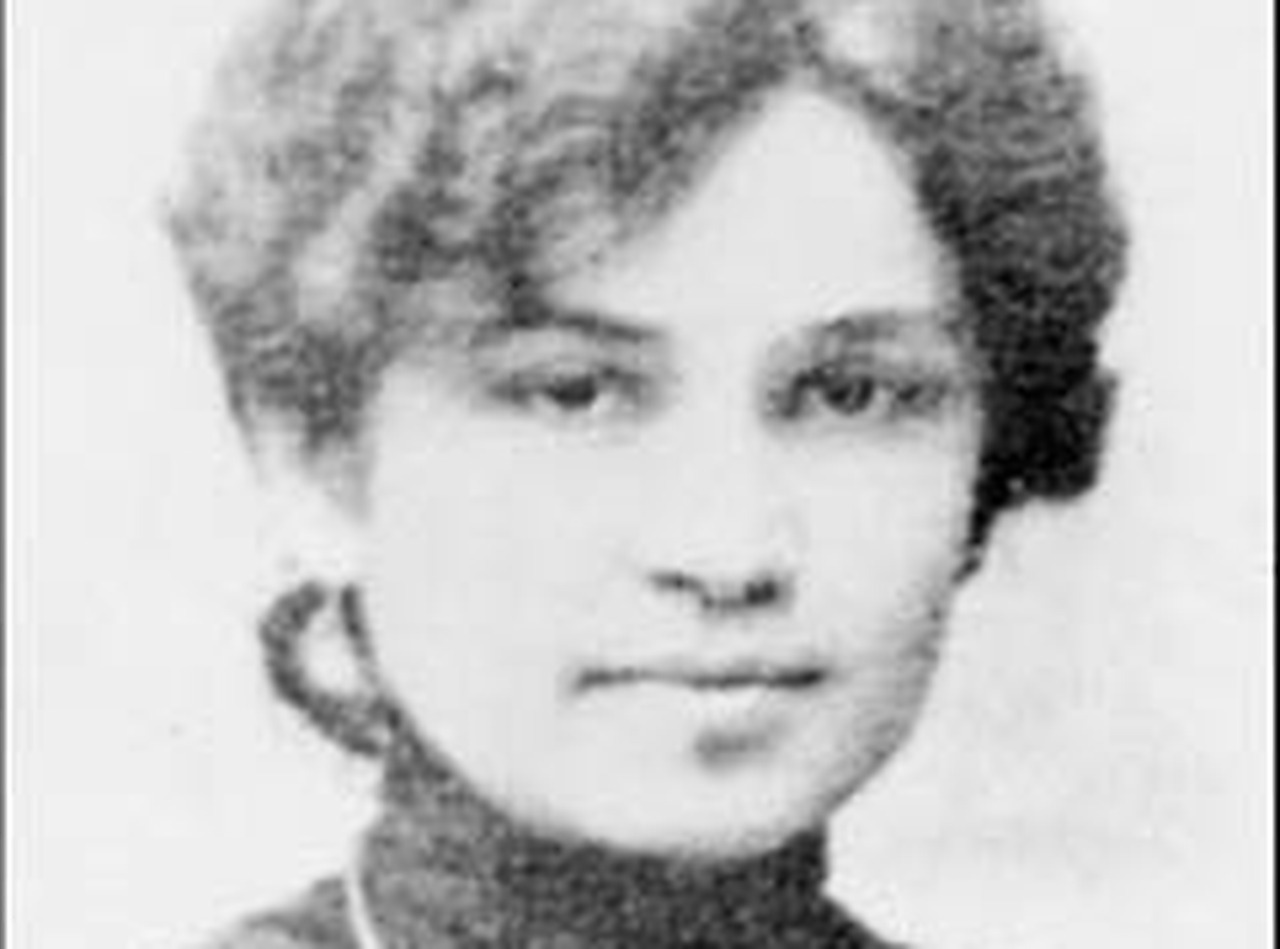
Among her works are several notable structures and monuments in Belgrade, including parts of Kalemegdan Park and significant public buildings that helped shape the city’s modern appearance.
Načić’s success was groundbreaking not only because of her architectural talent but also because she proved that women could excel in technical and creative professions that had long been considered inaccessible to them. Her career opened the door for generations of women architects who followed.
The Many Ways to Cross a Border
The stories of these five women reveal that exploration can take many forms. Some crossed oceans and continents. Others climbed mountains or traveled through ideas and knowledge. Some broke social barriers simply by choosing a profession that society believed was not meant for them.
What unites them is the courage to step beyond expectations and create new paths. Today, their stories continue to inspire – reminding us that the spirit of adventure is not defined by geography, but by the willingness to move forward, question limits, and discover what lies beyond them.
Related Articles


5 Little Things in Serbia That Travelers Never Forget
February 20, 2026
Interesting Facts About Sretenje You May Not Know
February 16, 2026