Serbia is often described through its landscapes, monasteries, and hospitality. But there is another Serbia – one of laboratories, patents, radical ideas and bold minds.
From the first anthropomorphic robotic hand to the system that powers almost every city on Earth, these inventions show that some of the most influential ideas of modern civilization were born in Serbian minds.
1. The Belgrade Hand – When Serbia Entered Robotics History
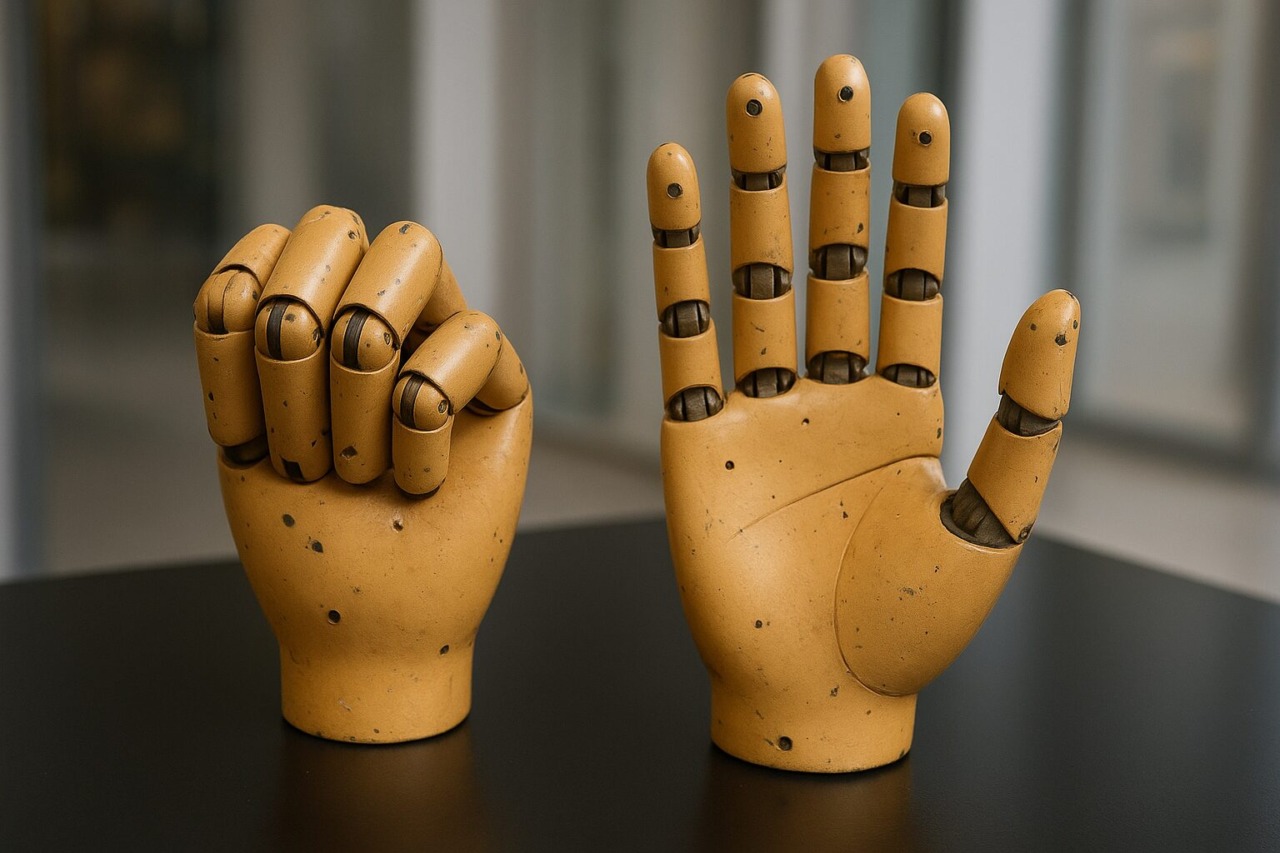
In 1963, at the Mihajlo Pupin Institute in Belgrade, a team led by Miomir Vukobratović created one of the world’s first five-fingered robotic hands. Known as the Belgrade Hand, it became a foundation for modern prosthetics and humanoid robotics.
Interesting fact: At the time, only a handful of countries were seriously researching humanoid robotics – and Yugoslavia was among them.
2. Alternating Current – The Energy Behind Modern Civilization
When Nikola Tesla developed the alternating current (AC) system, he didn’t just improve electricity – he transformed civilization. AC made long-distance power transmission efficient and economically viable. The Niagara Falls power plant, built on Tesla’s system, proved the world could be electrified.
Interesting fact: Tesla once demonstrated high-frequency current passing through his own body to prove its safety under controlled conditions – stunning audiences worldwide.
3. Pupin’s Coils – Extending the Human Voice Across Continents
In 1896, Mihajlo Idvorski Pupin solved the problem that limited long-distance phone calls. By placing inductive coils at calculated intervals along transmission lines, he eliminated signal distortion and noise.

Interesting fact: The patent brought Pupin enormous wealth, but he invested much of it in scholarships for Serbian students.
4. Climate Before Climate Change – Milanković’s Cosmic Mathematics
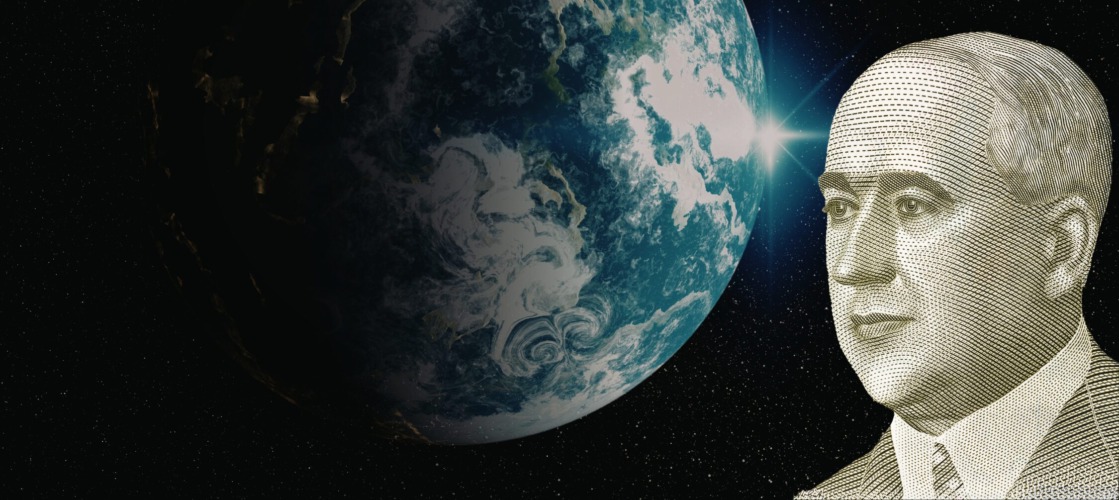
Long before climate change became a global topic, Milutin Milanković calculated how Earth’s orbital variations shape ice ages. His 1920 publication introduced mathematical models explaining long-term climate cycles.
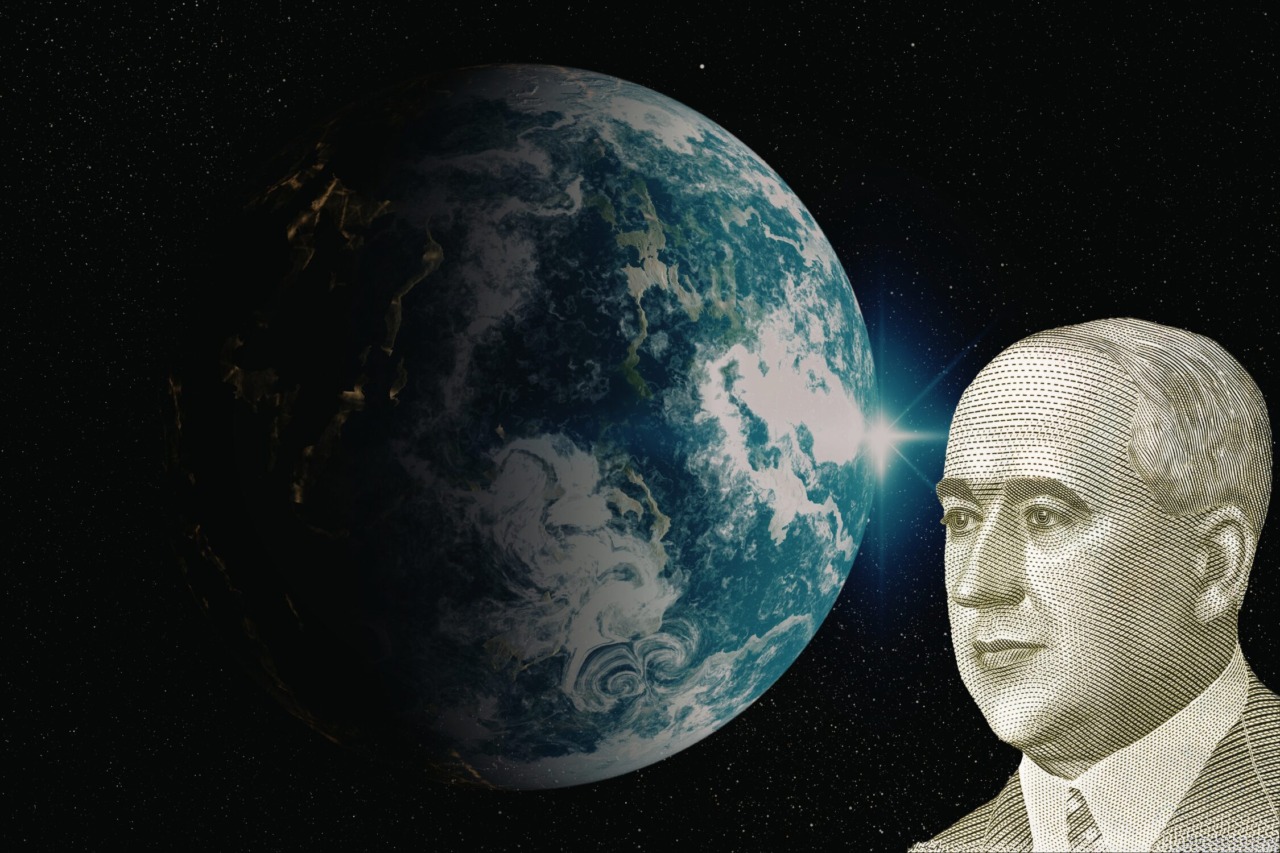
Interesting fact: Milanković completed large parts of his calculations while imprisoned during World War I.
5. The First Hydroplane and a Forgotten Plastic Pioneer
Inventor Ognjeslav Kostović Stepanović designed one of the earliest hydroplanes in 1911. Decades earlier, he created arborite, a synthetic material considered by some historians to be a precursor to plastic.
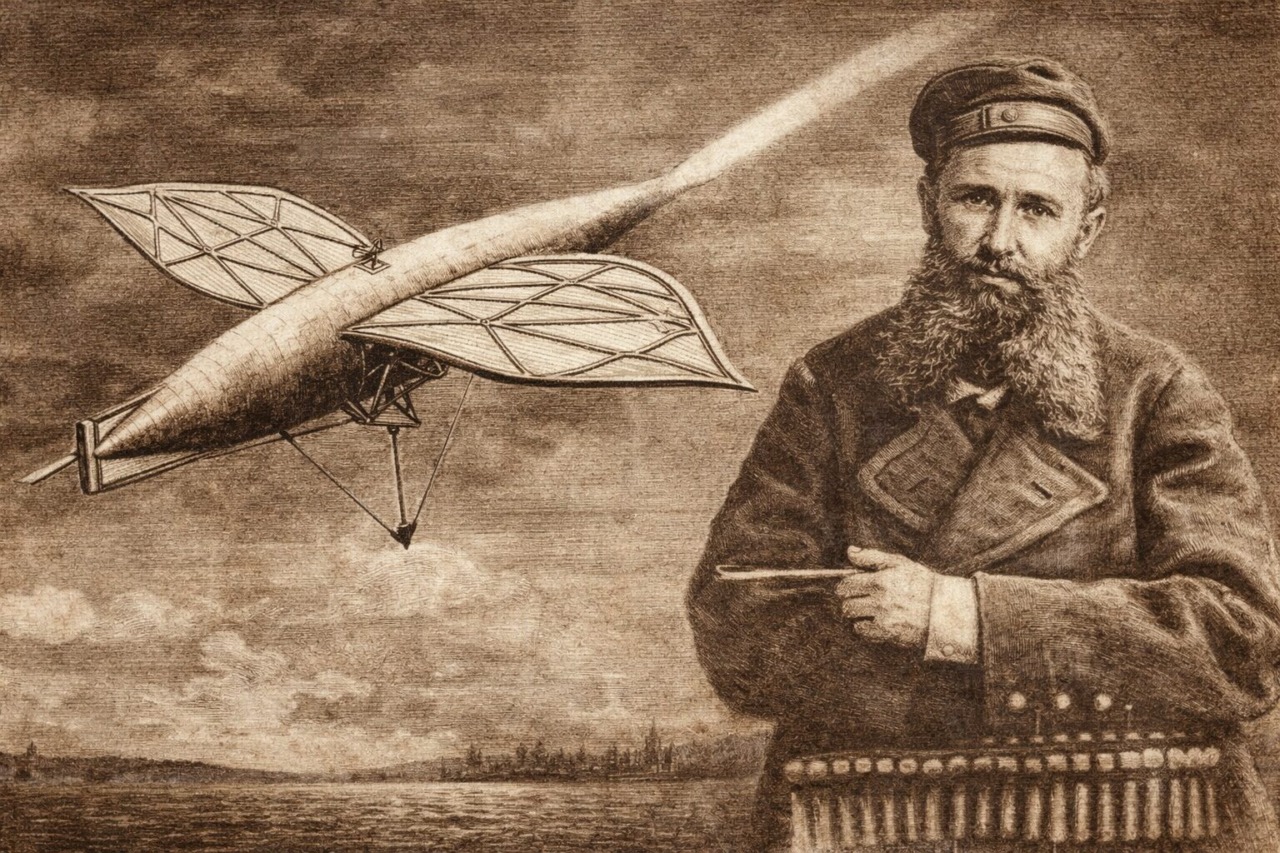
Interesting fact: His innovations were so ahead of their time that many were only recognized long after his death.
6. Galaksija – A Computer Built in Living Rooms
In 1983, Voja Antonić designed Galaksija, a DIY home computer. Because importing computers was restricted, he published full instructions in a science magazine. Over 8,000 people assembled their own machines.
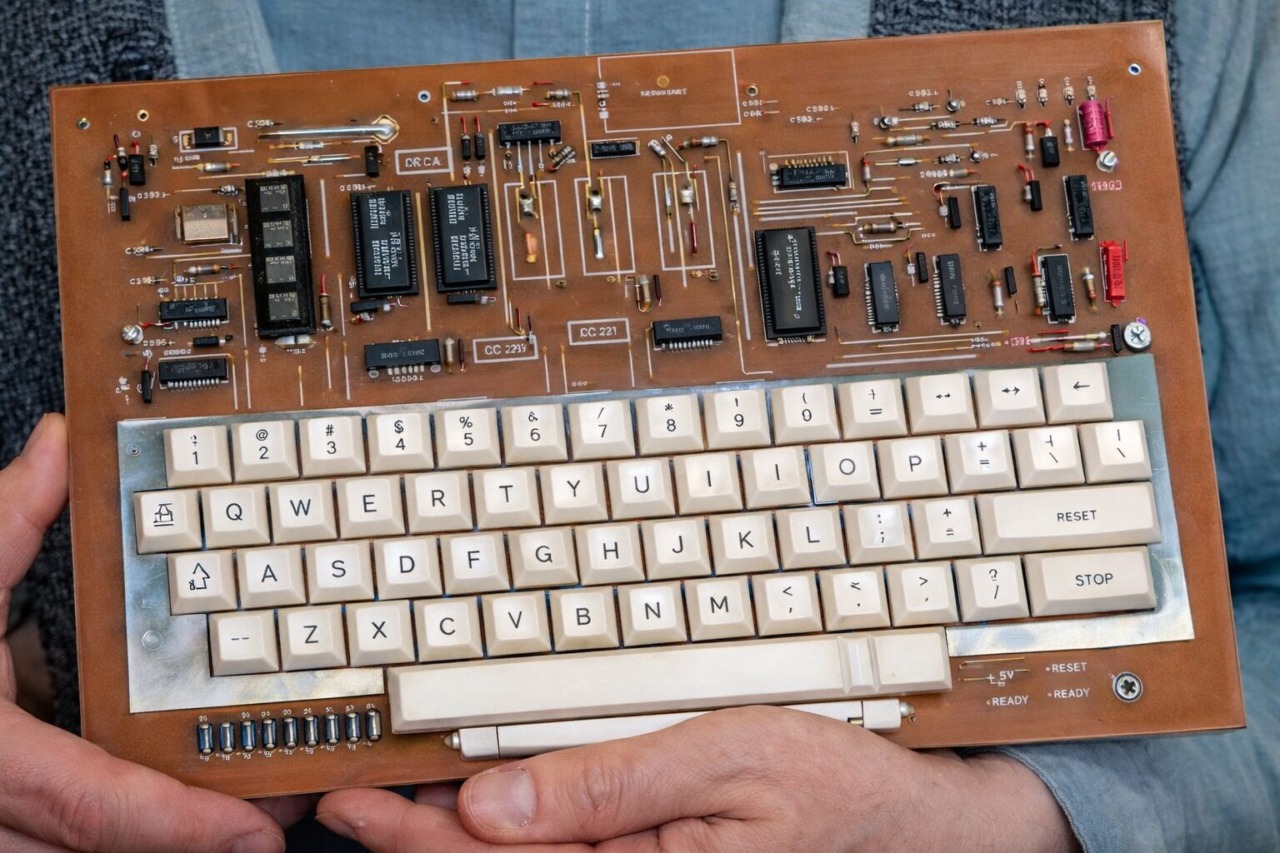
Interesting fact: Many early Yugoslav programmers wrote their first lines of code on Galaksija computers they built themselves.
7. A Drill That Went Deeper – Engineering Innovation in Mining
Professor and inventor Ljubomir Klerić patented multiple mining devices. His deep drilling machine significantly improved geological exploration in Serbia.
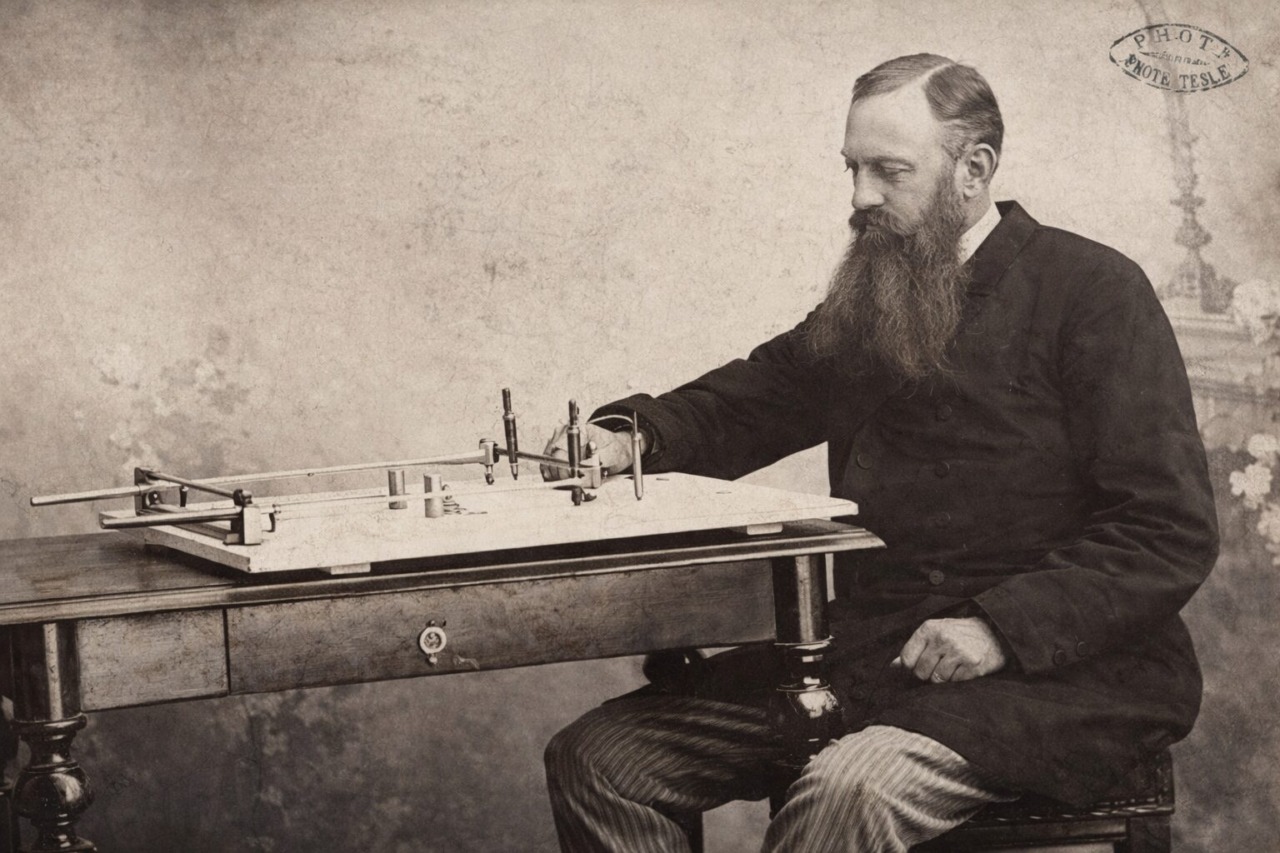
Interesting fact: He was also Minister of Education and Economy, proving that innovation and public service can go hand in hand.
8. A Theory Before Einstein – Ruđer Bošković
Ruđer Bošković proposed a unified law of forces in the 18th century, suggesting matter consists of point-like particles interacting through attraction and repulsion.
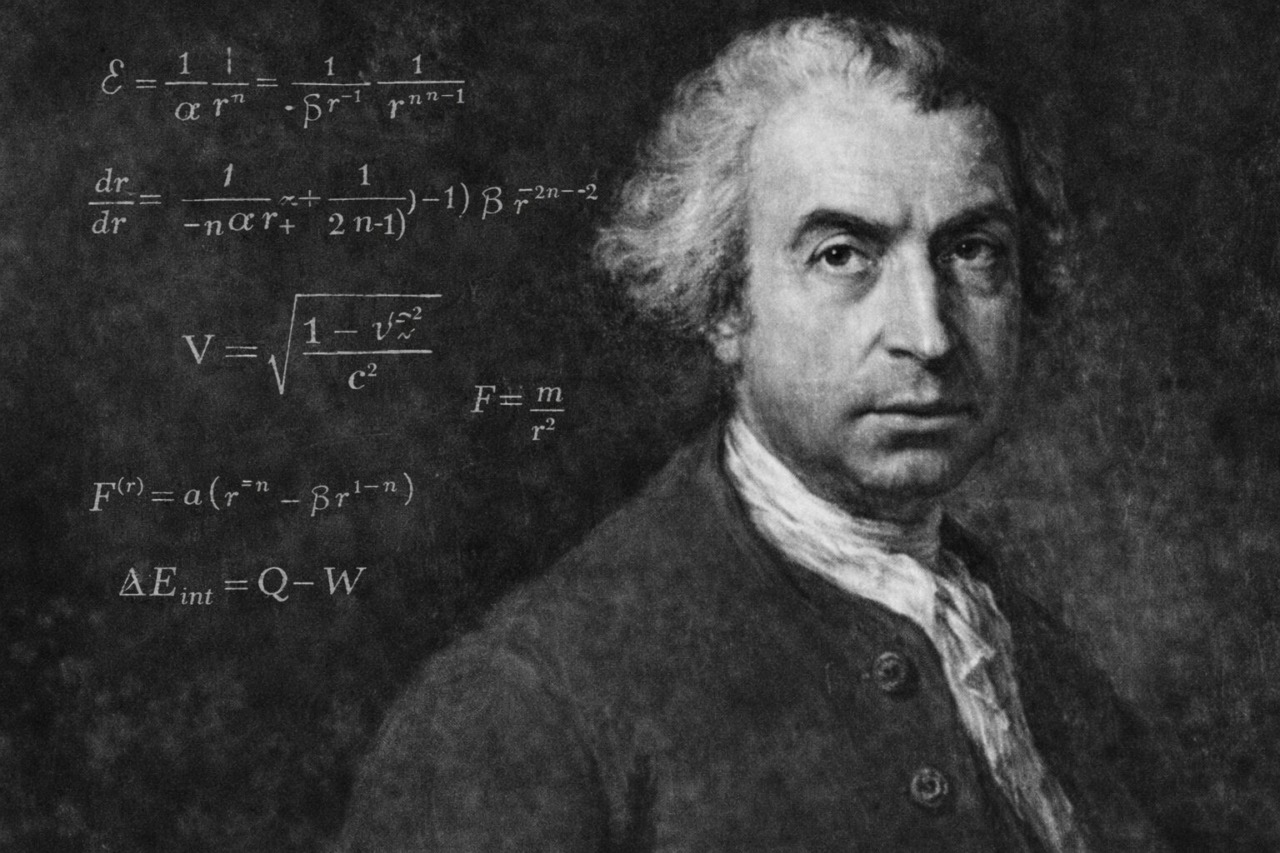
Interesting fact: He argued that space and time were not absolute – decades before such ideas became central to modern physics.
9. Hydrogenerator – Mathematics Meets Engineering
Mathematician and academic Mihailo Petrović Alas invented a hydrogenerator that received international recognition in Paris in 1900.
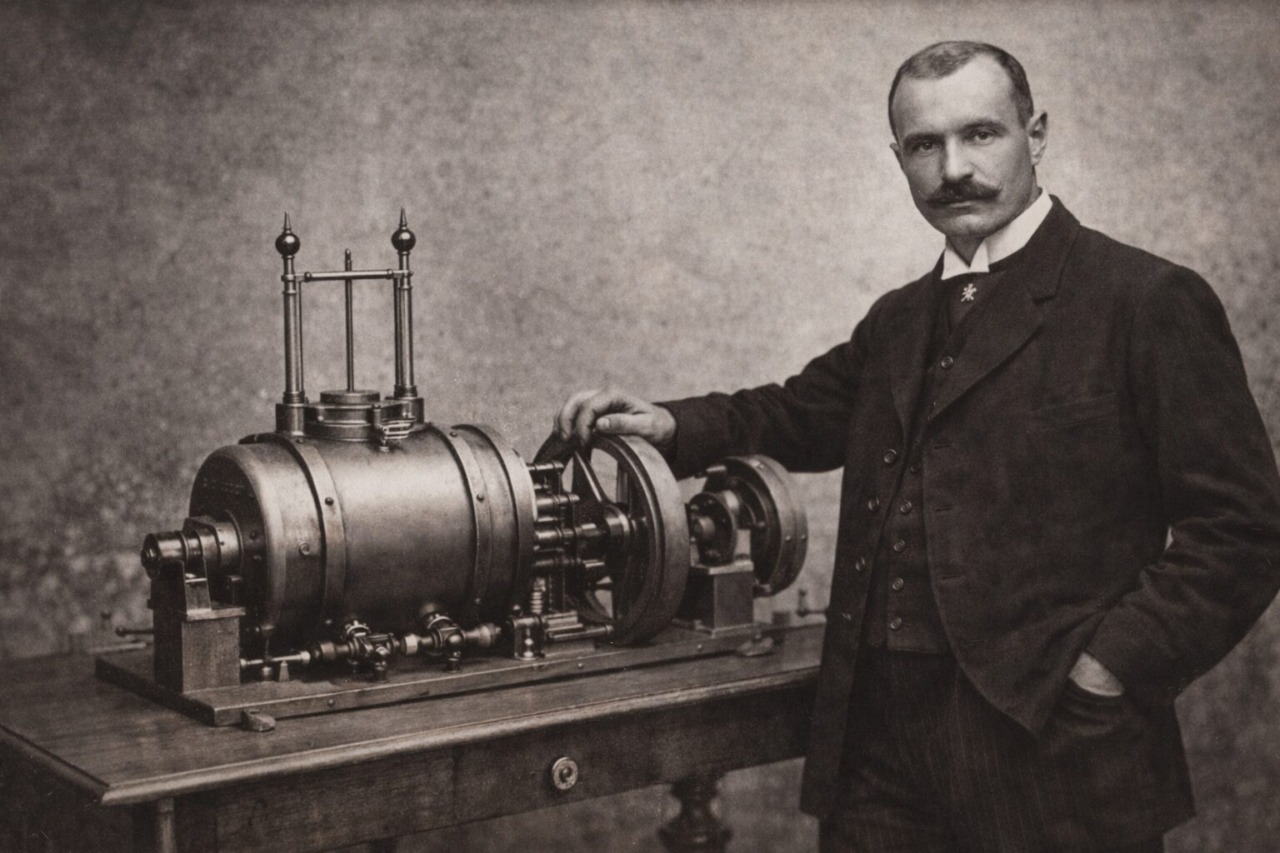
Interesting fact: Outside academia, he was a passionate fisherman and one of the most colorful intellectual figures of his time.
10. From Barbershops to Railways – Two Everyday Revolutions
Inventor Nikola Bizumić designed the first widely used mechanical hair clipper in the 19th century. His invention spread across Europe after he moved to London under the name John Smith. Meanwhile, engineer Dobrivoje Božić developed an advanced railway braking system in the 1920s, introducing speed-dependent braking principles still used today.

Interesting fact: Bizumić died wealthy in London, while Božić had to fight major European railway powers before his patent was recognized.
A Small Country with Global Impact
Electricity. Telecommunications. Climate science. Aviation. Computing. Mining. Rail transport. Robotics.
These inventions remind us that Serbia’s greatest export has never only been culture or tradition – but ideas powerful enough to reshape the modern world.
Related Articles



5 Little Things in Serbia That Travelers Never Forget
February 20, 2026
Interesting Facts About Sretenje You May Not Know
February 16, 2026