Belgrade is a city that rarely reveals all its layers at once. Behind its famous landmarks and busy streets lie quiet corners filled with history, unexpected views, and stories that many travelers never hear about. These hidden places show another side of the Serbian capital – slower, more intimate, and full of surprising details.
Below are ten places where Belgrade quietly keeps some of its most interesting secrets.
Velike Stepenice – The Great Staircase of Kalemegdan
Hidden just below Kalemegdan Fortress, the Great Staircase is one of the most elegant architectural features in Belgrade. Built in 1928, these monumental stone steps connect the historic fortress plateau with the lower Dorćol neighborhood and the riverbanks.
The staircase was designed not only as a functional passage but also as a beautiful urban space. Wide steps, decorative balustrades, and old-fashioned street lamps give the area a timeless atmosphere. During the warmer months, it becomes a quiet meeting point for locals, musicians, and photographers.
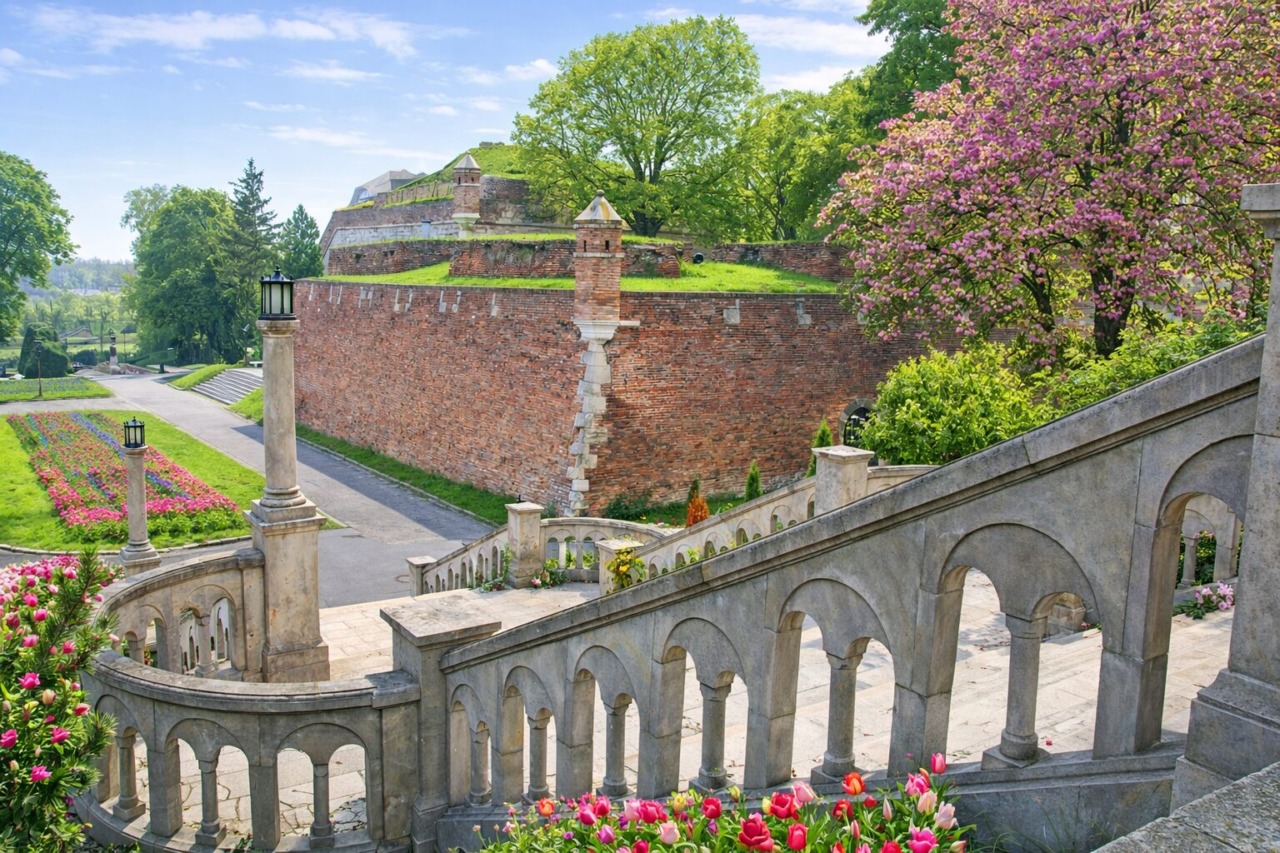
Standing here, visitors can feel the transition between two different Belgrades – the historic fortress above and the lively neighborhoods below.
Interesting fact:
The staircase was designed by Serbian architect Aleksandar Krstić, who contributed to the design of several parts of Kalemegdan Park in the early 20th century.
Bajrakli Mosque Courtyard
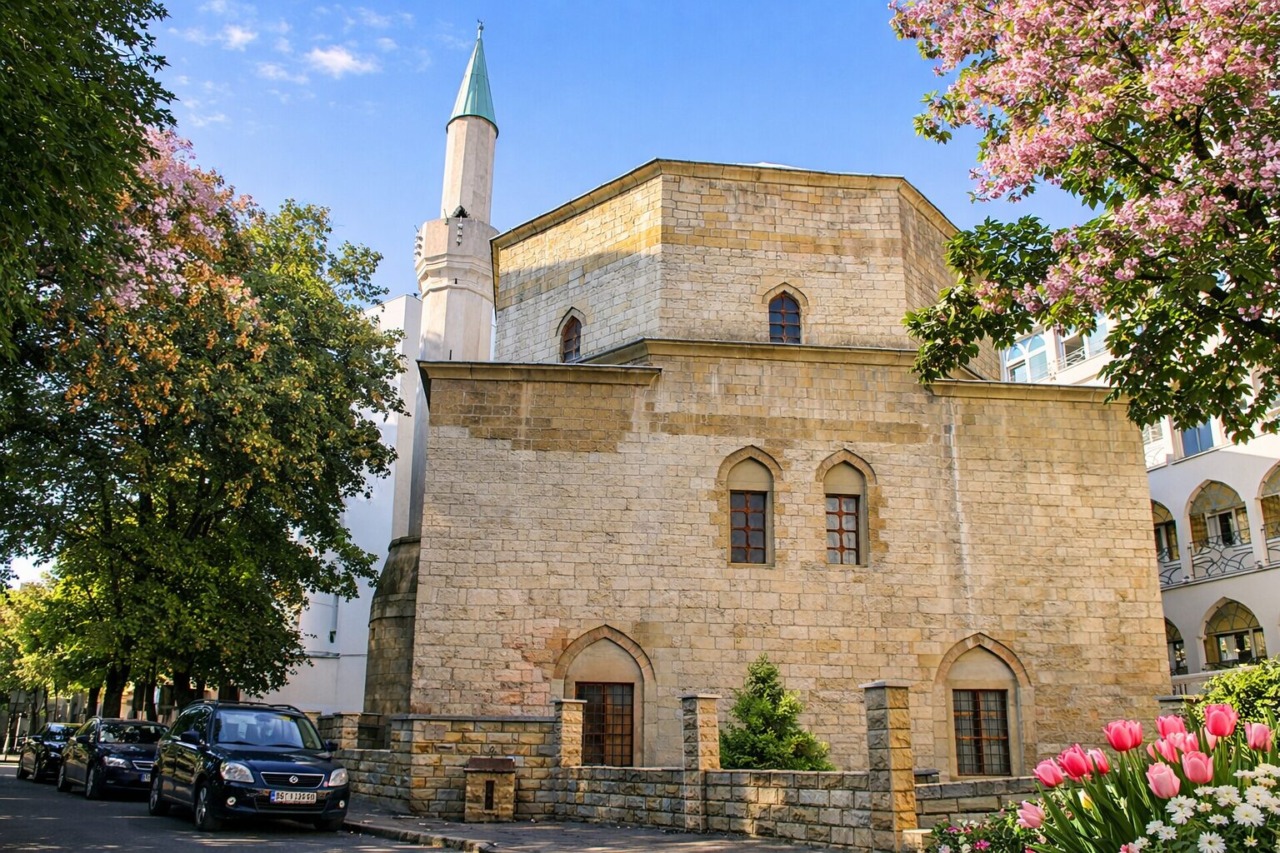
Among the narrow streets of Dorćol stands Bajrakli Mosque, the only remaining mosque from the Ottoman era in Belgrade. Built in the late 16th century, it is one of the few places in the city where the Ottoman past is still visible.
While many visitors walk past the mosque, few step into its courtyard. Once inside, the atmosphere changes completely. The noise of the city fades away, replaced by quiet stone walls, a small garden, and the gentle rhythm of daily prayer. This hidden courtyard offers a rare opportunity to experience a different historical layer of Belgrade.
Interesting fact:
During Ottoman times, a flag was raised at this mosque to signal the start of prayer across the city — which is how the mosque received the name “Bajrakli,” meaning “the one with the flag.”
Zemun’s Hidden Courtyards
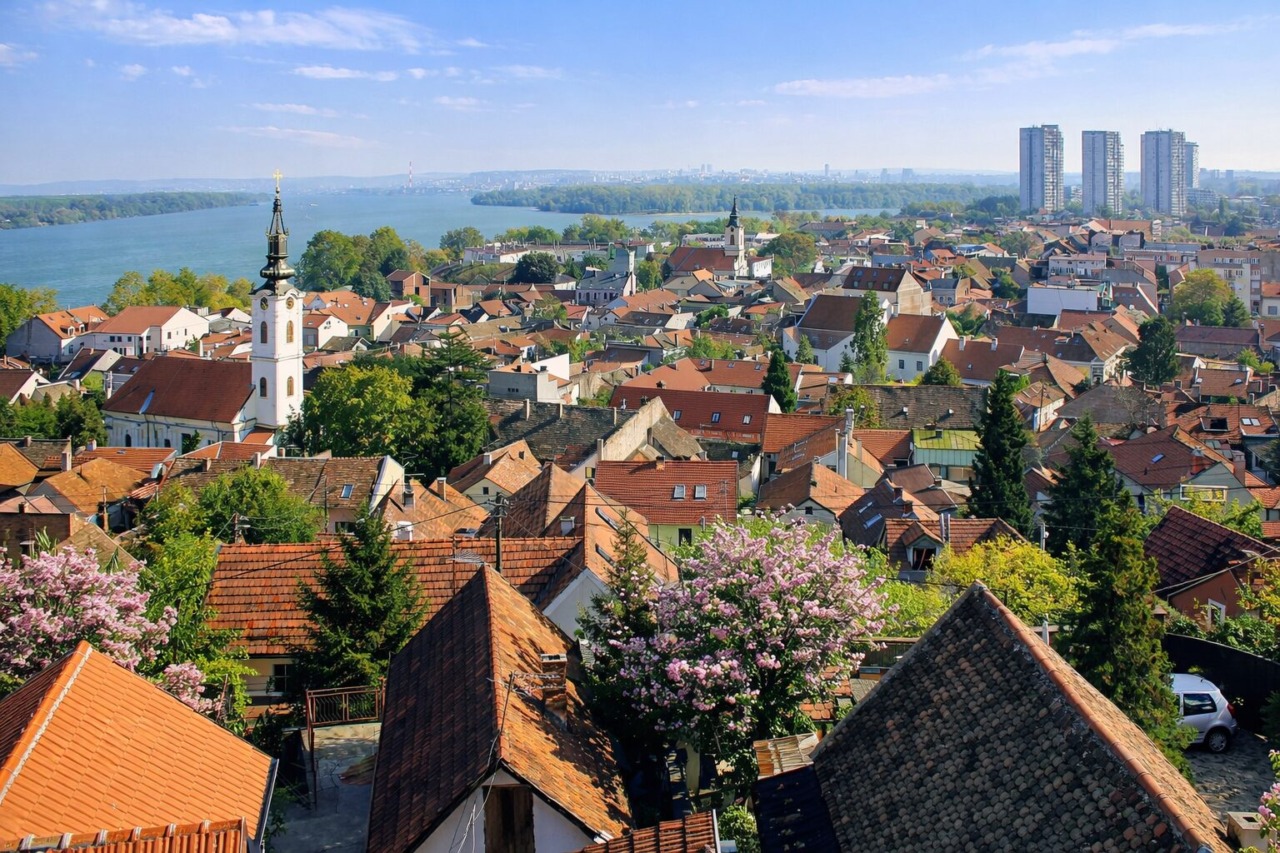
Walking through the old streets of Zemun often feels like stepping into another city. Colorful houses, cobbled streets, and baroque architecture reflect the town’s Austro-Hungarian past.
Yet some of Zemun’s most charming places remain hidden behind gates and archways. These inner courtyards contain gardens, workshops, and old houses covered in climbing vines. Many of them still belong to families who have lived here for generations. Exploring these spaces reveals a quieter and more intimate side of Zemun that most visitors never notice.
Interesting fact:
In the past, many of these courtyards contained artisan workshops and wine cellars, which were essential for everyday life in the old town.
The Underground Wine Cellars of Kalemegdan
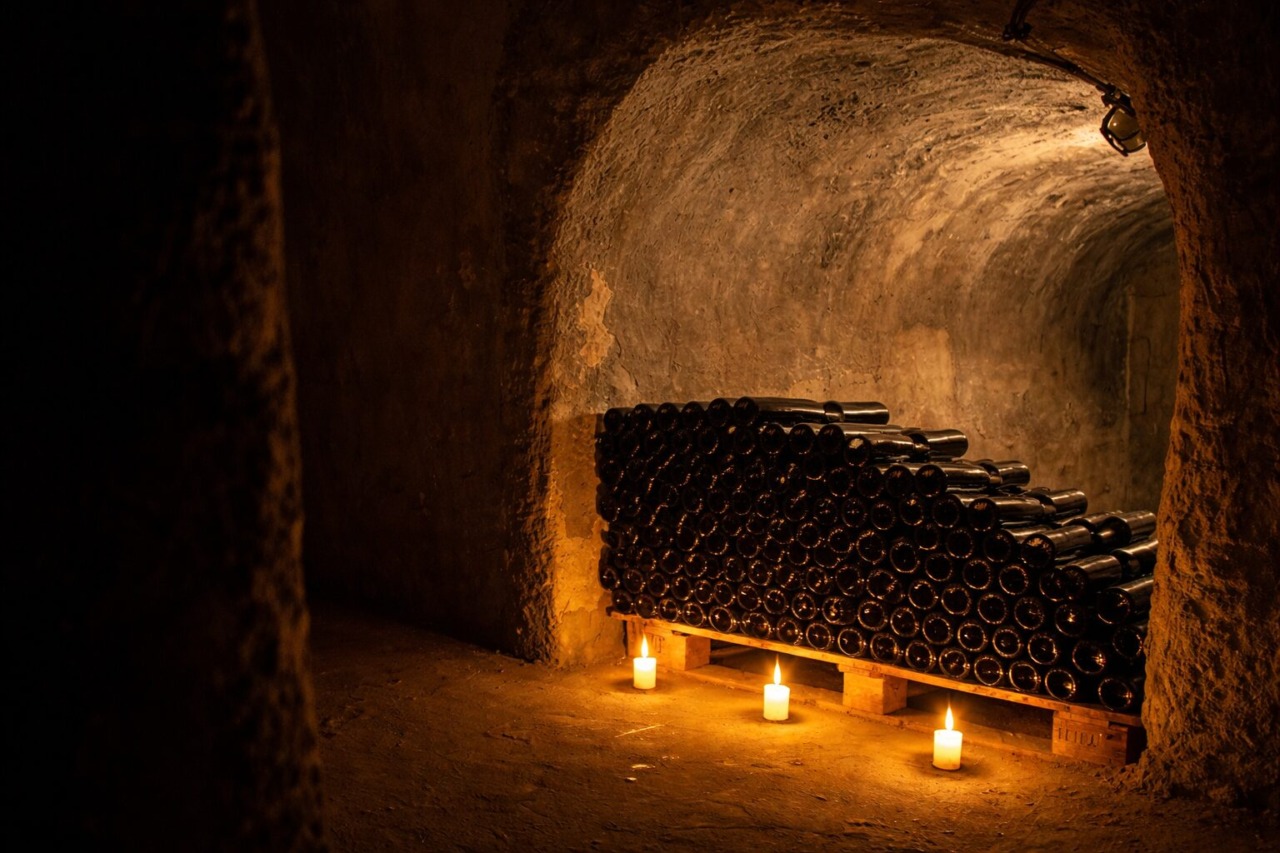
Beneath the famous Belgrade Fortress lies a network of hidden underground spaces that many visitors never discover. These old stone cellars were once used for storing food, wine, and military supplies during centuries of Ottoman and Austrian rule. Today some of them host small exhibitions, cultural events, or quiet wine tastings that reveal another layer of Belgrade’s history.
Walking through the cool brick corridors feels like stepping into a forgotten chapter of the city, where echoes of soldiers, merchants, and travelers seem to linger in the air.
Interesting fact:
Parts of these underground chambers date back several hundred years and were built inside earlier Roman and medieval structures, meaning that several layers of Belgrade’s history literally exist beneath your feet.
Topčider Church and the Old Plane Tree
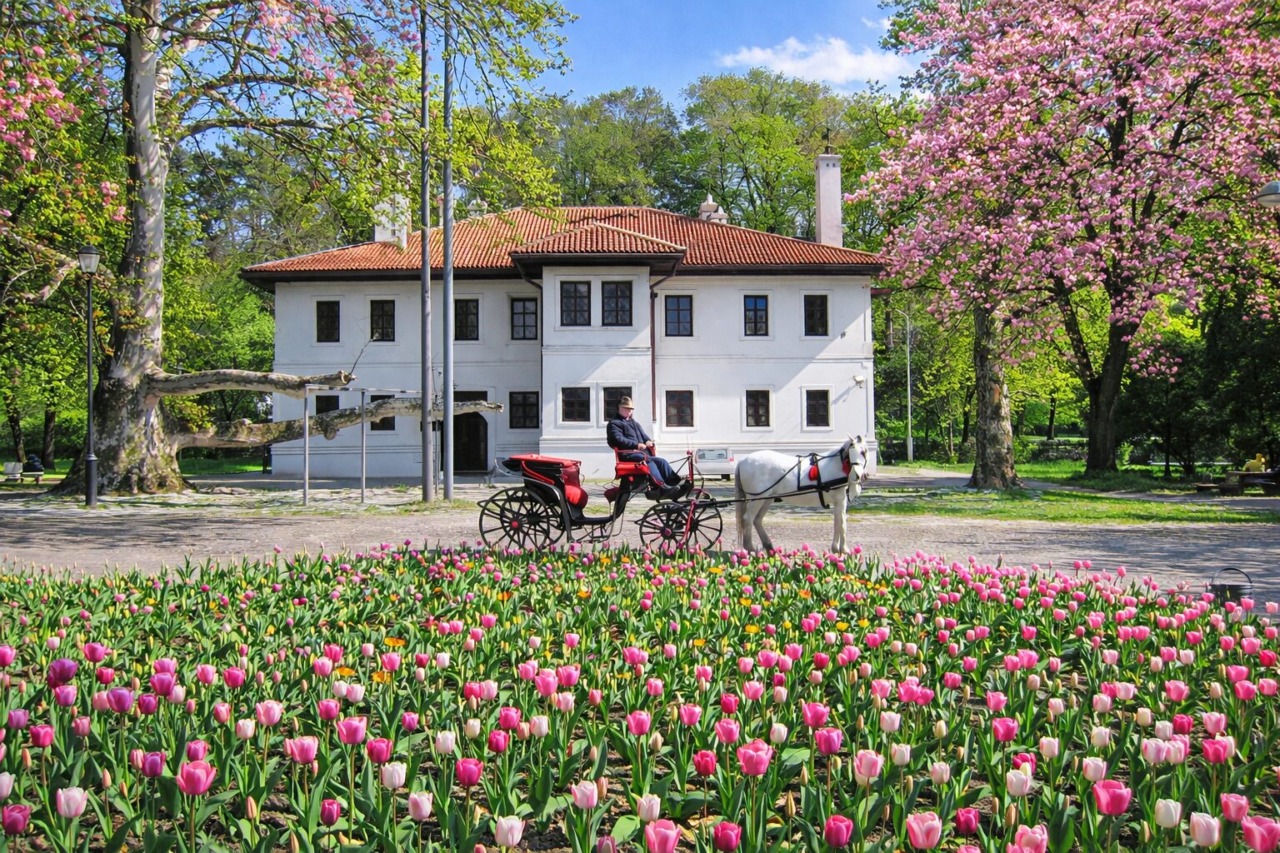
Topčider Park offers a completely different atmosphere from the busy city center. Wide lawns, old trees, and quiet paths create a peaceful environment that feels almost rural. At the heart of the park stands the Church of St. Peter and Paul, built in the 1830s during the reign of Prince Miloš Obrenović.
Nearby grows one of Belgrade’s most famous natural monuments – a gigantic plane tree more than 180 years old. The combination of history, architecture, and nature makes this one of the most relaxing places in the city.
Interesting fact:
The plane tree has a trunk circumference of more than seven meters, making it one of the largest trees in Serbia.
6. The Ruins of the National Library on Kosančićev Venac
Few places in Belgrade carry such powerful historical symbolism as the ruins of the National Library of Serbia on Kosančićev Venac. Before World War II, the library stood here as one of the most important cultural institutions in the country, preserving centuries of manuscripts, books, and historical documents. In April 1941, during the German bombing of Belgrade, the building was destroyed by fire, and a large part of the Serbian written heritage was lost forever.
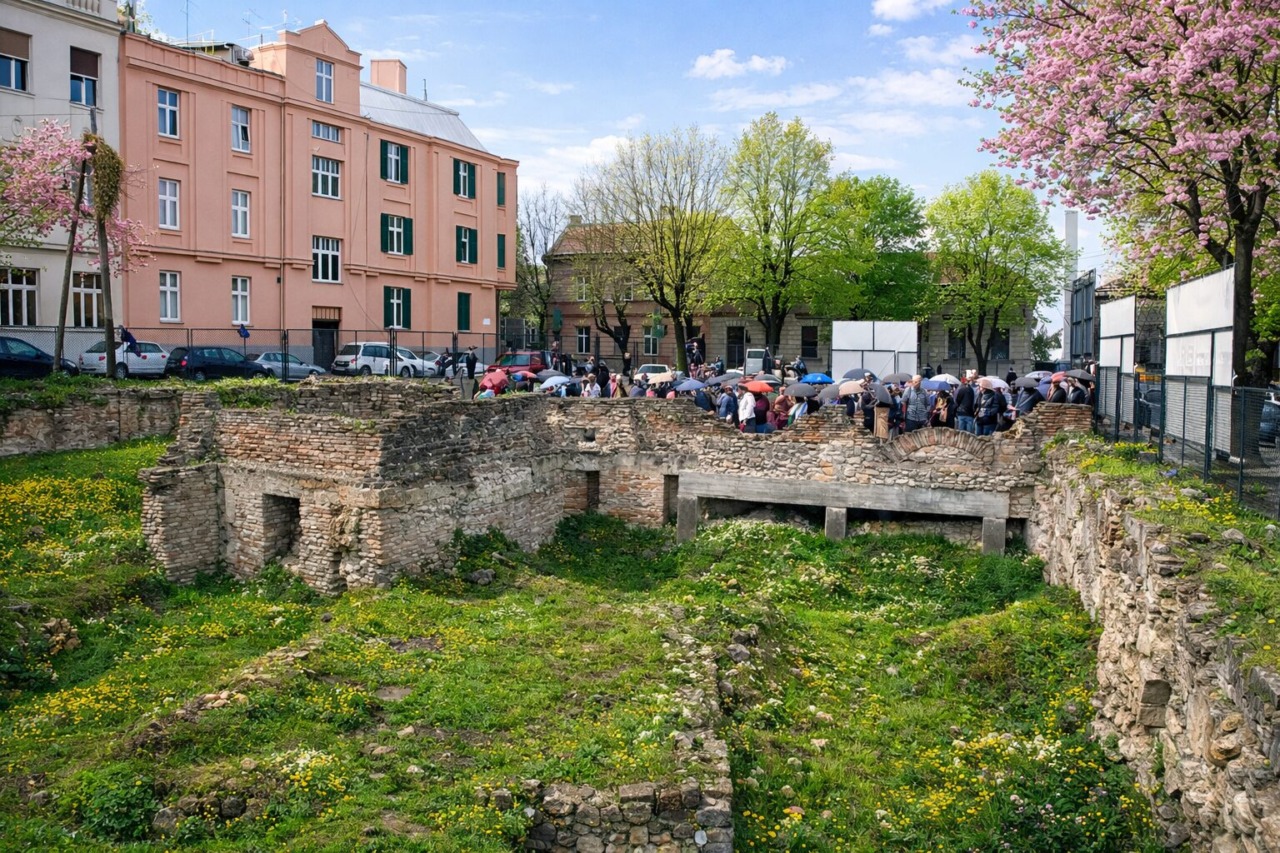
Today, the remains of the building form a quiet memorial space. Surrounded by cobbled streets, historic houses, and views of the Sava River, the site invites visitors to pause and reflect on the fragility of cultural memory. Walking through this peaceful corner of the old city, it becomes clear how deeply history is woven into Belgrade’s landscape.
Interesting fact:
More than 500,000 books, manuscripts, and historical documents were destroyed in the fire, making it one of the greatest cultural losses in Serbian history.
7. The Murals of Savamala’s Hidden Streets
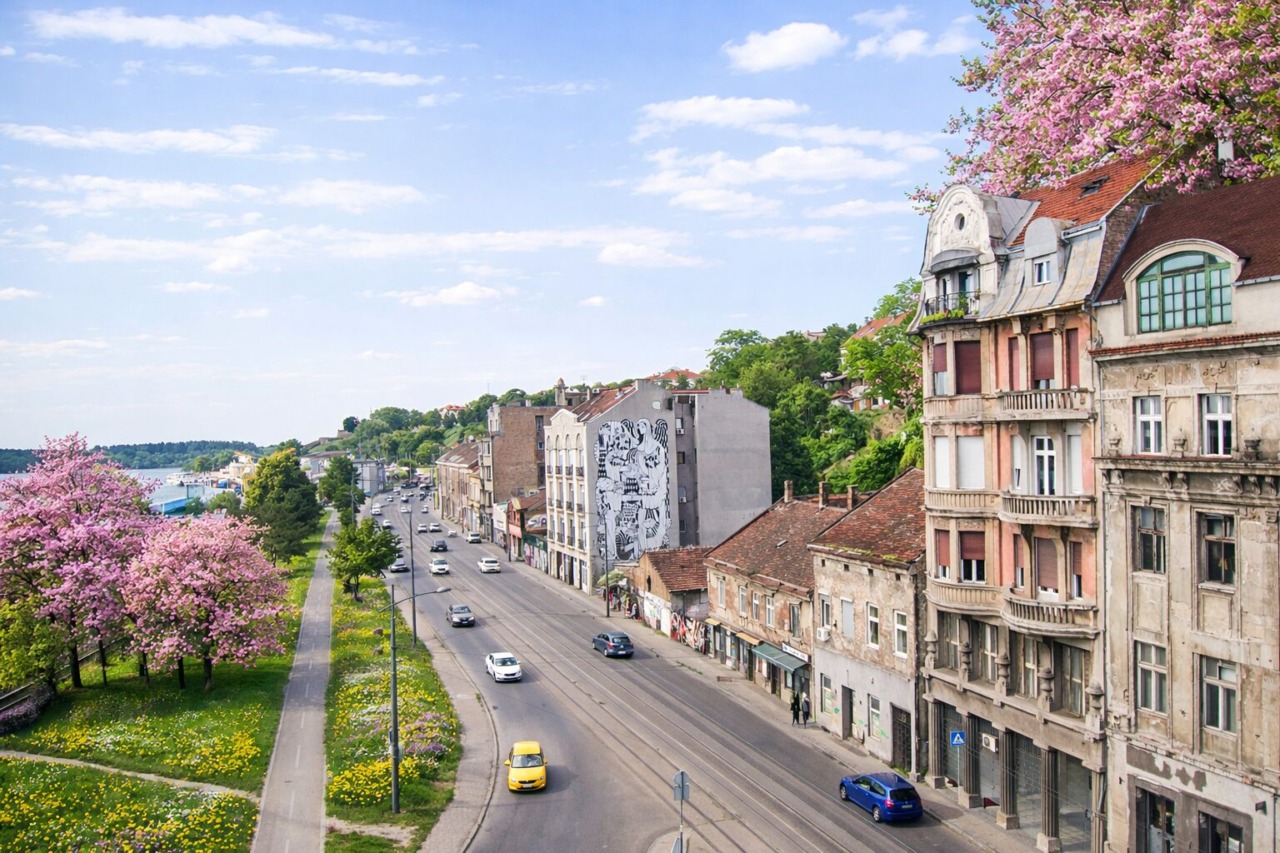
Savamala has long been known for its nightlife and riverside clubs, but in recent years it has also become one of the most vibrant creative districts in Belgrade. Among old warehouses, railway buildings, and industrial facades, artists from Serbia and around the world have transformed entire walls into colorful murals and street art installations. Some artworks cover entire buildings, while others are hidden in narrow alleys or unexpected corners.
Walking through Savamala during the day reveals an entirely different atmosphere from the nightlife scene. The neighborhood feels like an open-air gallery where urban art tells stories about the city, its history, and its constantly changing identity.
Interesting fact:
Many of the murals were created during the Mikser Festival, an international cultural event that helped turn Savamala into a hub for design, music, and contemporary art.
8. The Botanical Garden “Jevremovac” in Early Morning
Although it lies just a short walk from the busy streets of central Belgrade, Jevremovac Botanical Garden feels like a hidden oasis. Founded in 1889, the garden belongs to the University of Belgrade and contains hundreds of plant species from different parts of the world. Winding paths lead past rare trees, flower beds, and quiet benches shaded by tall branches.
Early morning is perhaps the most magical time to visit. The city is still waking up, the garden paths are almost empty, and sunlight slowly fills the historic greenhouse built in the late 19th century. For a moment, it feels as if the noise and rhythm of the capital have disappeared completely.

Interesting fact:
The garden’s historic greenhouse, built in 1892, was constructed in Germany and transported to Belgrade in pieces before being assembled on site.
9. The Avala Monument Viewpoints Few People Use
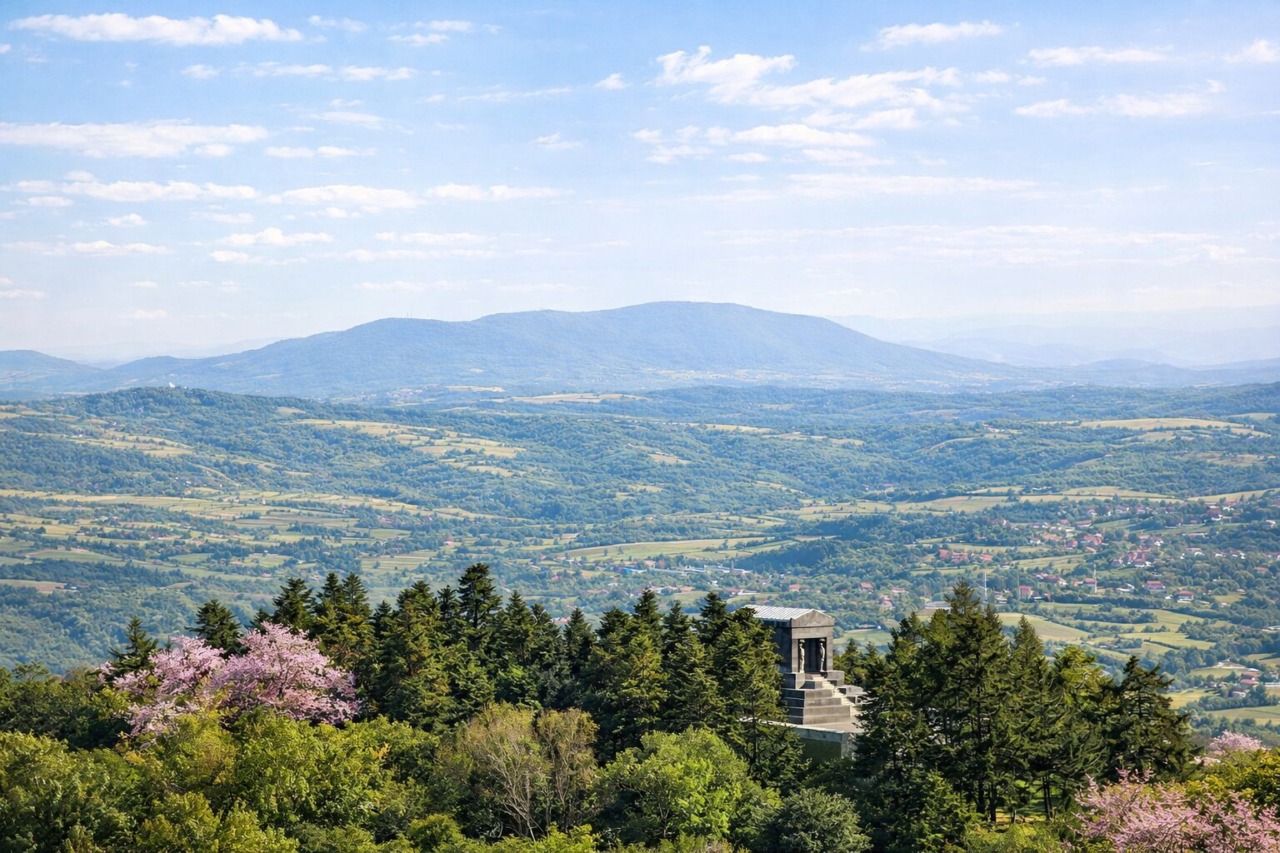
Avala Mountain rises just south of Belgrade and has long been one of the favorite escape destinations for locals. Most visitors come to see the monumental Monument to the Unknown Hero, located on the summit. Yet only a few minutes away from the monument, several forest paths lead to lesser-known viewpoints overlooking valleys, forests, and villages around Belgrade.
These quiet spots offer wide panoramas and a sense of calm that contrasts with the crowds near the main monument. On clear days, the views stretch far beyond the city, revealing the rolling landscapes of central Serbia.
Interesting fact:
The monument was designed by famous Serbian sculptor Ivan Meštrović and completed in 1938.
10. The Hidden Courtyard of Captain Miša’s Mansion
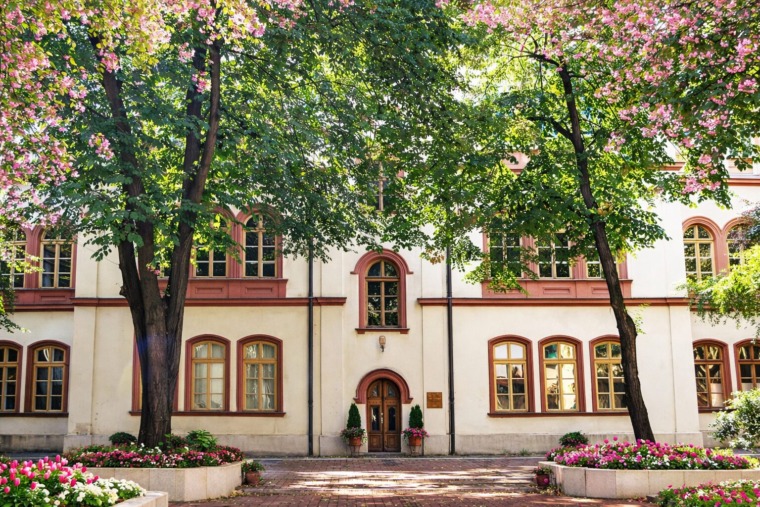
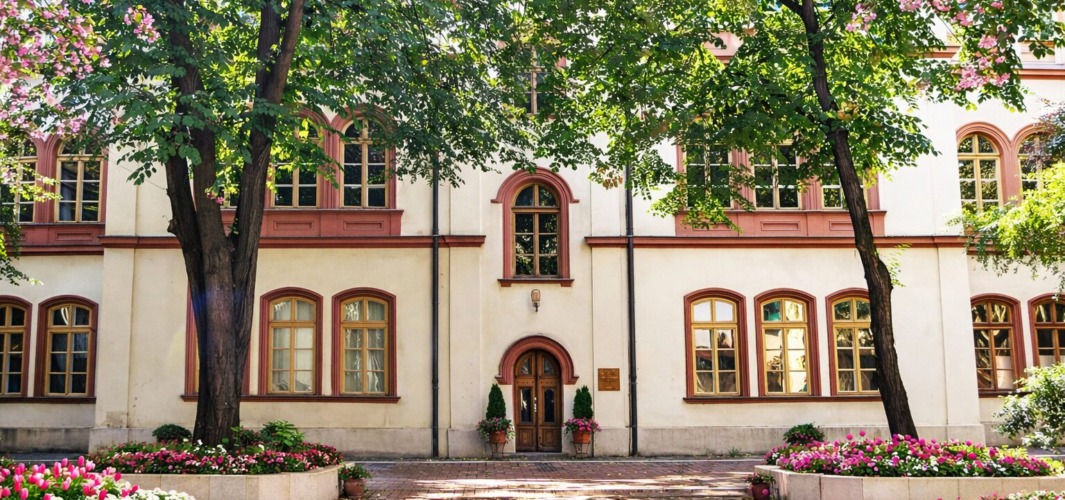
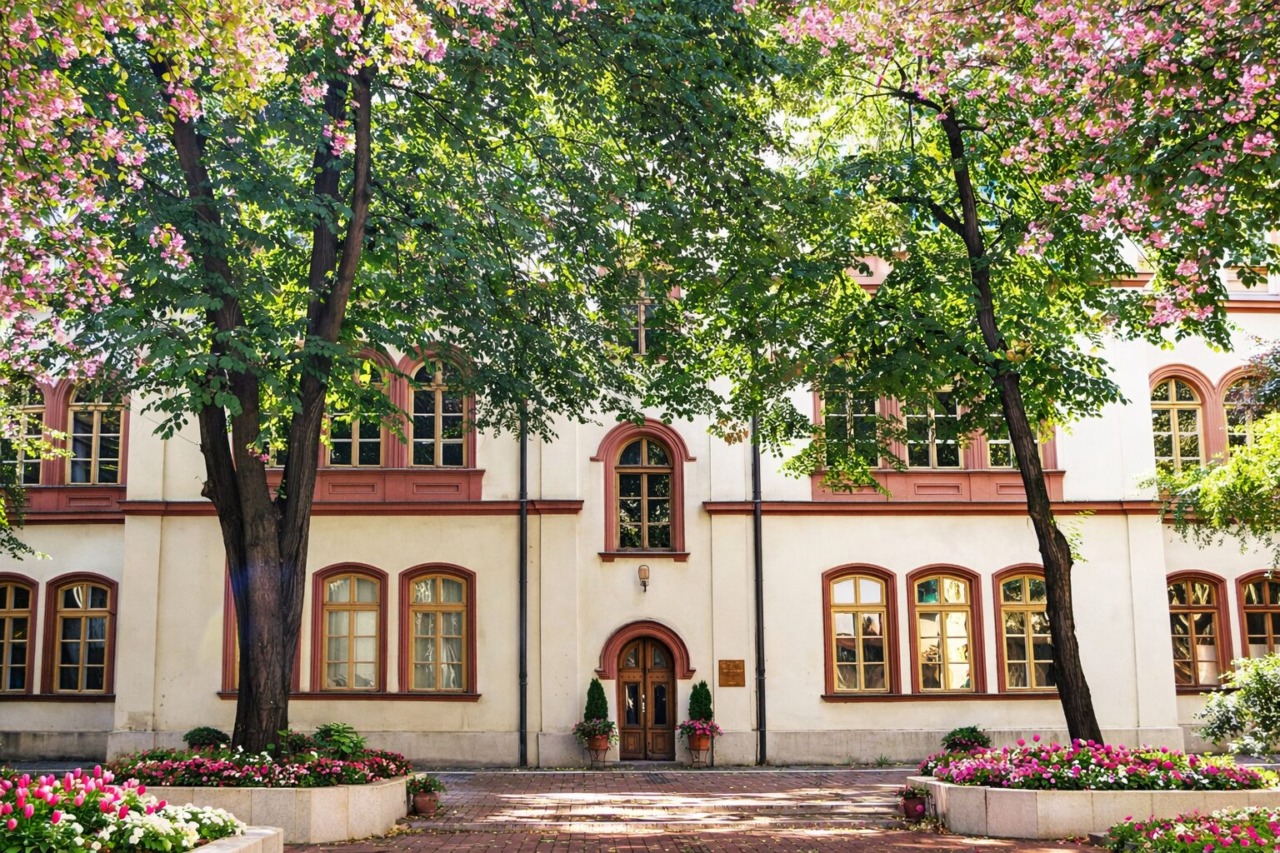
Captain Miša’s Mansion is one of the most impressive 19th-century buildings in Belgrade. Located near Studentski Trg, it was built in 1863 by wealthy merchant and philanthropist Miša Anastasijević. While most people admire the grand façade, fewer visitors step inside the building’s courtyard. Hidden from the street, the courtyard reveals elegant arcades, classical sculptures, and a quiet academic atmosphere.
Today the building houses the University of Belgrade, and the courtyard often fills with students, professors, and visitors walking between lecture halls. The space feels like a calm historical pocket within the busy city center.
Interesting fact:
Captain Miša originally built the palace as a gift for Prince Mihailo Obrenović, hoping it would become a royal residence.