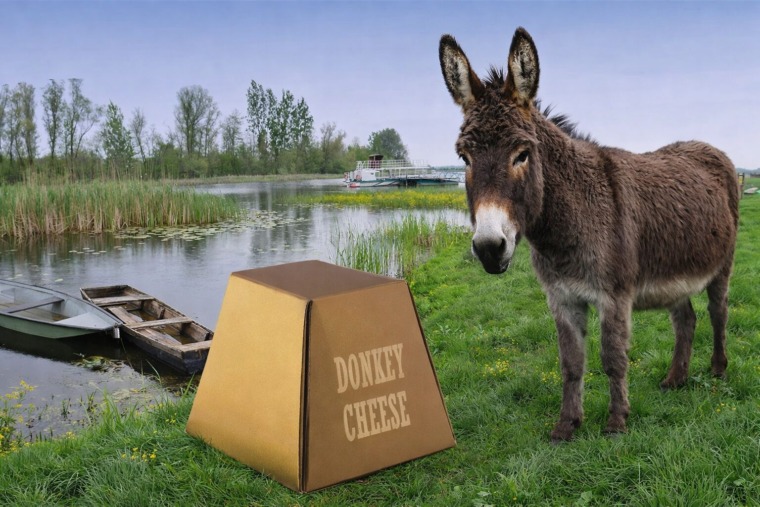
Hidden in the tranquil wetlands of northern Serbia lies one of the world’s most unusual culinary treasures. Produced in the lush landscape of the Zasavica Special Nature Reserve, donkey milk cheese has fascinated food lovers and journalists across the globe.
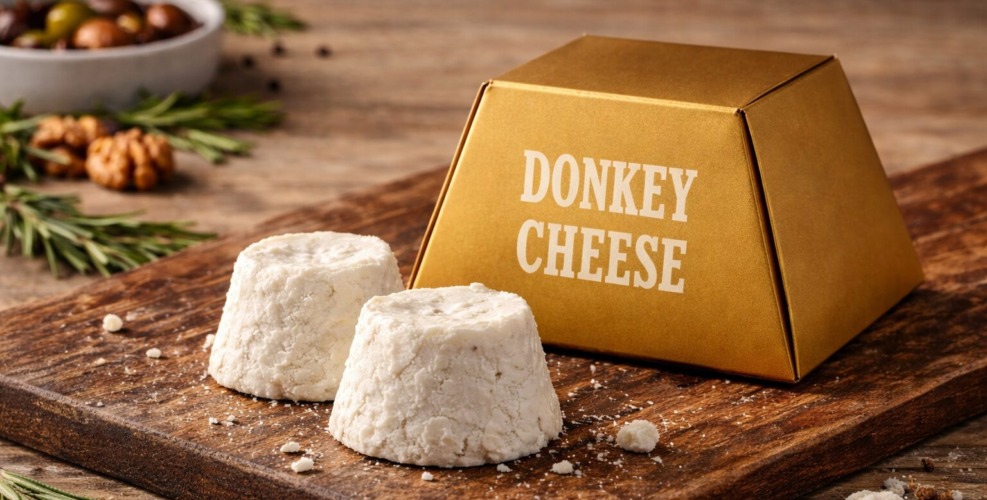
This rare delicacy, known as Pule, is made from donkey milk and produced in extremely limited quantities. Its unusual origin, demanding production process, and extraordinary price have turned it into one of the most intriguing cheeses in the world.
Here are ten fascinating facts about this unique Serbian specialty.
1. The Most Expensive Cheese in the World
Donkey milk cheese from Serbia gained international fame after being widely described as the most expensive cheese in the world. Its price has reached around 1,000 euros per kilogram, although the exact price can vary depending on availability and production.
Because only a small amount is produced each year, this cheese is rarely found in shops or restaurants. Instead, it is typically purchased directly from the farm where it is made or served on special occasions. Its rarity and exclusivity have made it one of the most talked-about luxury foods originating from Serbia.
2. It Is Made from Donkey Milk
What makes this cheese so unusual is its primary ingredient – donkey milk. Unlike cow, goat, or sheep milk, donkey milk has a very different composition. It is naturally lower in fat but rich in vitamins and minerals.
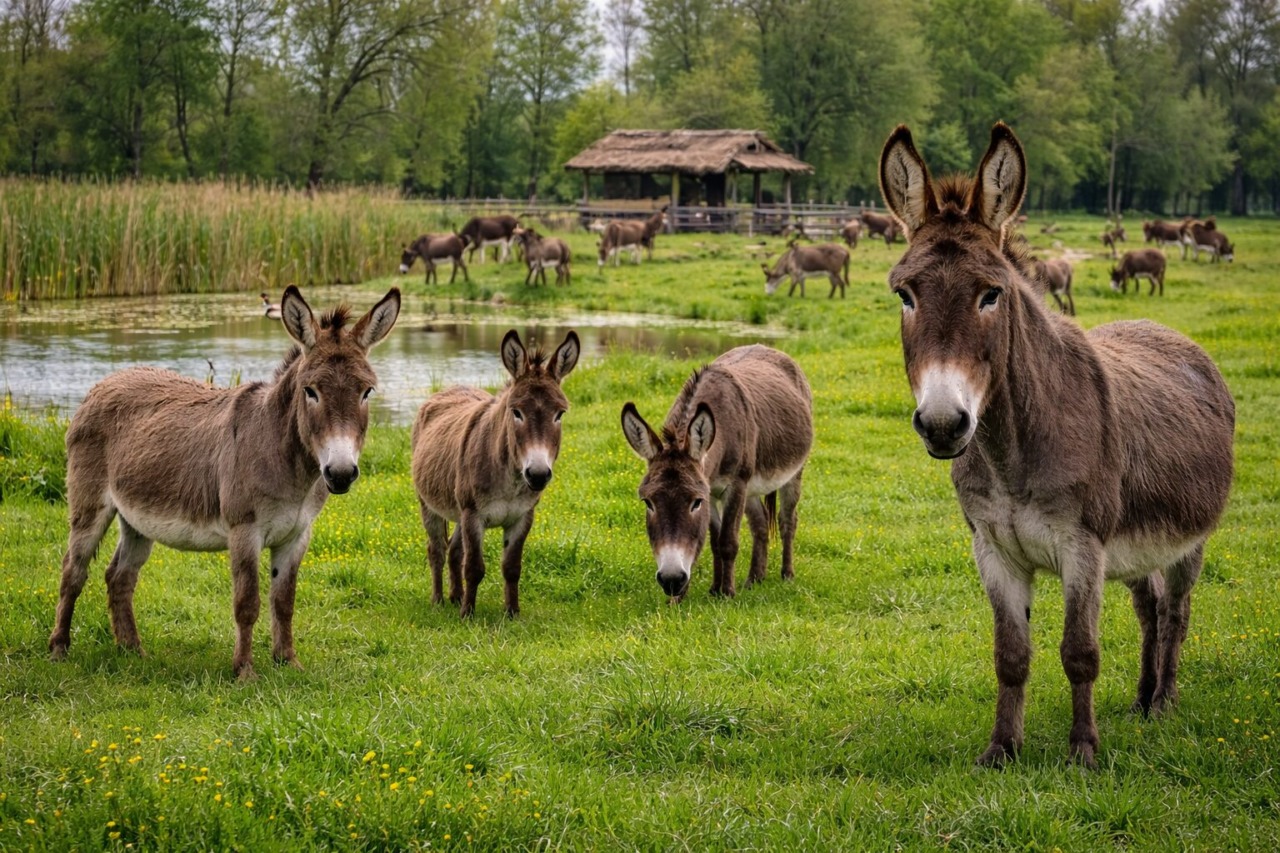
Because of its delicate structure, donkey milk behaves differently during the cheesemaking process. Producing cheese from it requires special techniques and great patience, making the entire process far more complex than traditional cheesemaking.
3. It Is Produced in Only One Place
This remarkable cheese is produced exclusively in the Zasavica Special Nature Reserve, a protected natural area located about 80 kilometers from Belgrade near Sremska Mitrovica.
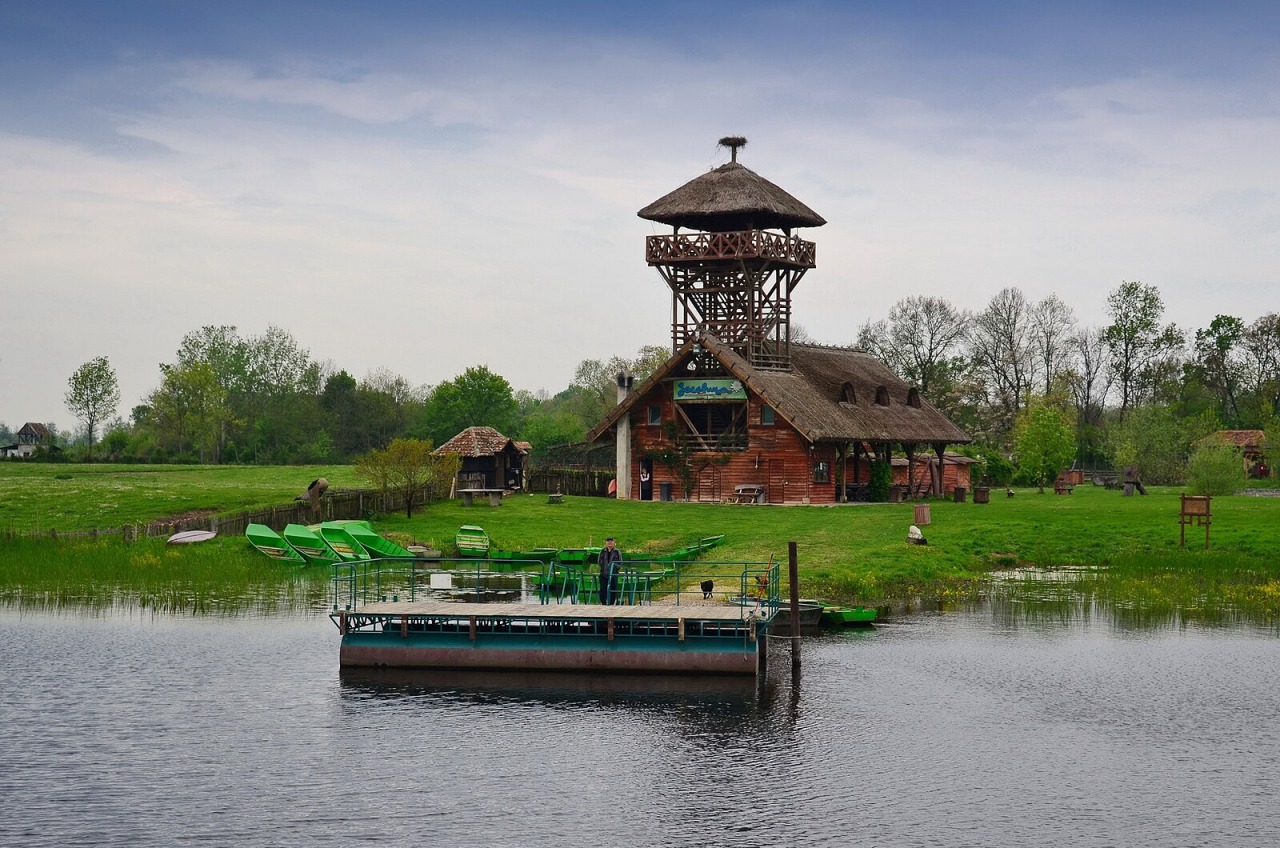
The reserve is known for its rich biodiversity, wetlands, and efforts to preserve traditional animal breeds. Among these is the Balkan donkey, an indigenous breed that once played an important role in rural life but became increasingly rare over time. The farm within the reserve helps protect this breed while also producing donkey milk and its unique products.
4. Donkeys Produce Very Little Milk
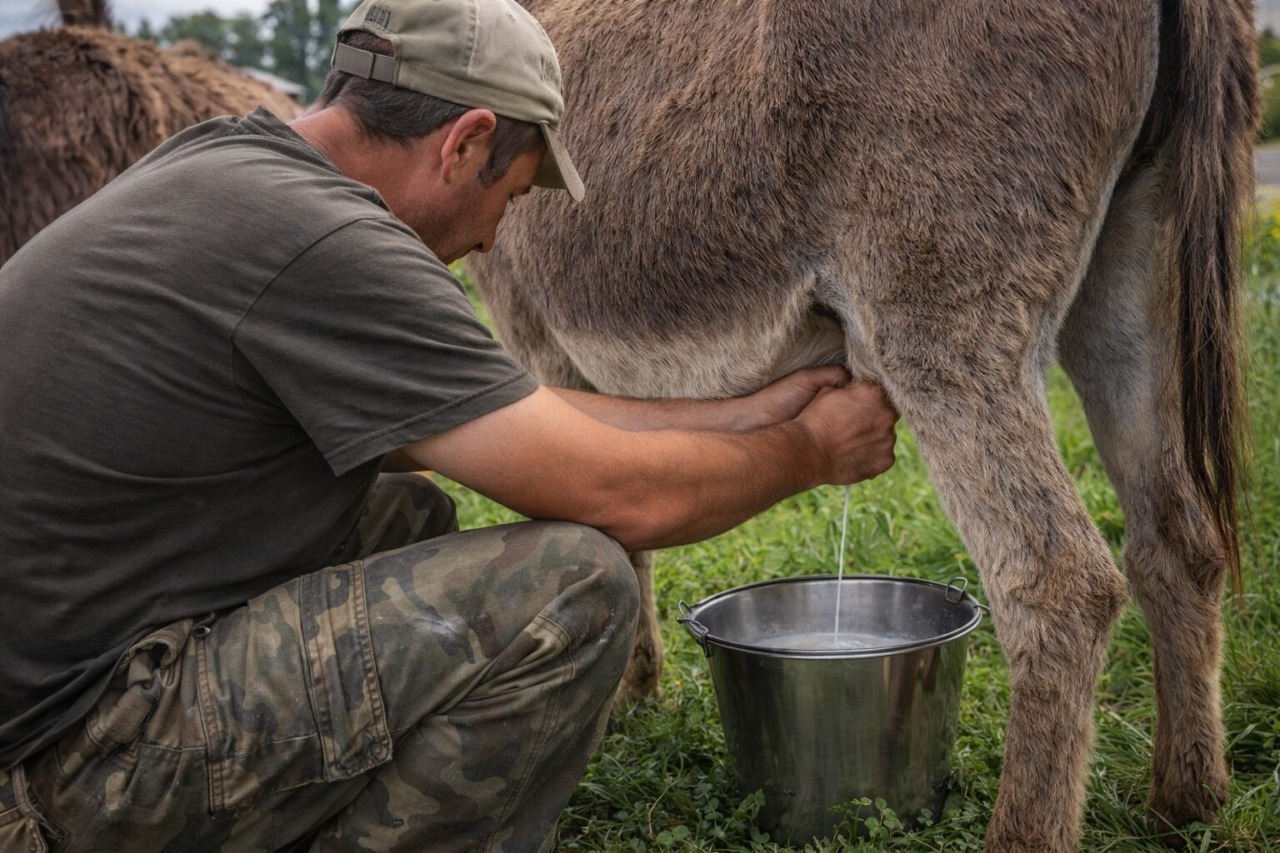
One of the biggest challenges in making donkey milk cheese is the extremely limited milk production of donkeys. A single donkey typically produces only about one liter of milk per day, and even this amount is collected gradually. In comparison, cows can produce many times more milk daily.
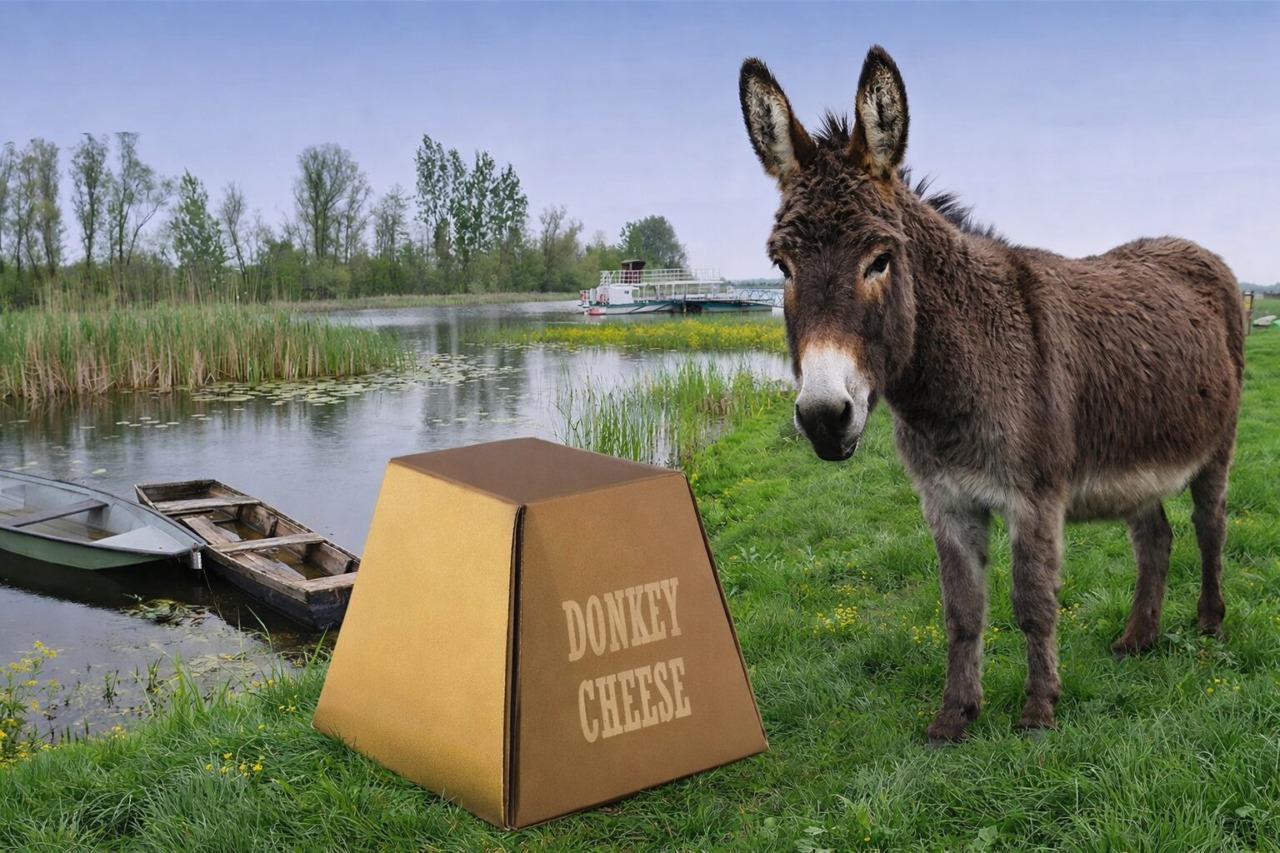
This low yield means that cheesemakers must care for a large number of animals to produce even small quantities of cheese. As a result, the production process is slow, careful, and highly labor-intensive.
5. It Takes Around 25 Liters of Milk to Make One Kilogram of Cheese
Another reason why this cheese is so rare is the amount of milk required to produce it. Because donkey milk contains very little fat and protein – the components that help milk coagulate into cheese a surprisingly large quantity is needed. It is estimated that around 25 liters of donkey milk are required to produce just one kilogram of cheese.
This means that producing even a small wheel of cheese requires days of careful milking and processing.
6. The Cheese Is Known as “Pule”
The name Pule has become internationally associated with Serbia’s donkey milk cheese. Over time, the name has appeared in numerous food magazines, travel articles, and culinary documentaries.
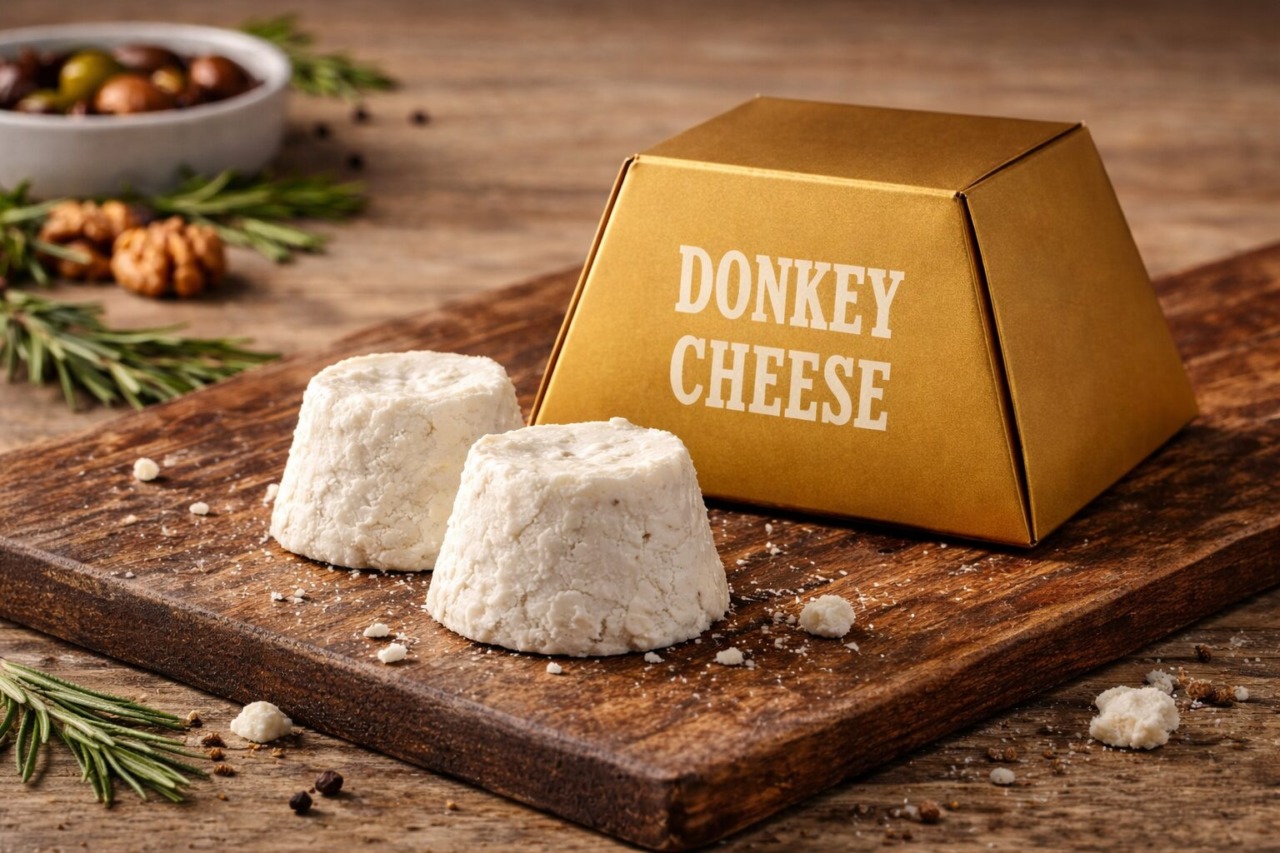
Today, Pule is considered one of the most unusual cheeses in the world and has become a symbol of Serbia’s ability to produce rare and distinctive food specialties.
7. Donkey Milk Has Been Valued Since Ancient Times
Long before it was used to produce luxury cheese, donkey milk was appreciated for its nutritional and cosmetic properties. Historical sources suggest that donkey milk was used in ancient civilizations for health and beauty.
One of the most famous legends claims that the Egyptian queen Cleopatra bathed in donkey milk to maintain her skin’s softness and beauty. Even today, donkey milk is used in certain skincare products and natural cosmetics because of its gentle and nourishing qualities.
8. The Cheese Has a Mild but Unique Flavor
Despite its unusual origin, donkey milk cheese is known for its delicate and refined taste. It has a light, slightly crumbly texture and a mild flavor that some describe as subtly nutty or earthy. Because donkey milk contains less fat than many other types of milk, the cheese is not overly heavy and can have a surprisingly gentle character.
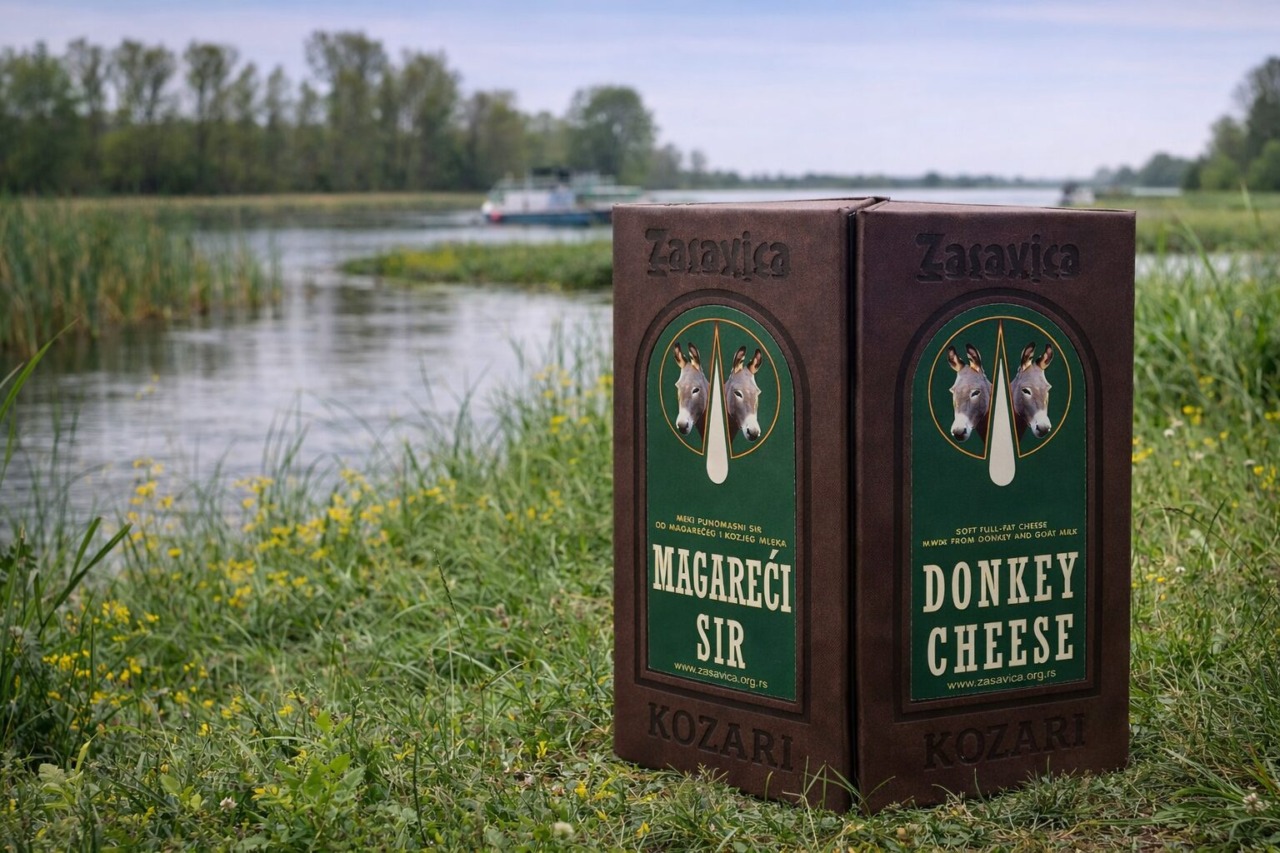
For food enthusiasts, tasting donkey milk cheese is as much about experiencing something rare as it is about enjoying its unique flavor.
9. The Farm Also Produces Other Donkey Milk Products
The farm in the Zasavica Special Nature Reserve produces more than just cheese. Visitors can also find a variety of products made from donkey milk, including: fresh donkey milk, skincare creams, natural soaps and cosmetic products.
These products have become popular souvenirs for visitors interested in traditional Serbian specialties and natural wellness products.
10. Many Famous Visitors Have Tried It
Because of its rarity and global reputation, donkey milk cheese has attracted the attention of many famous visitors. Over the years, numerous celebrities, chefs, journalists, and travelers have visited the farm in the Zasavica Special Nature Reserve to see how this extraordinary cheese is produced.
Among the well-known figures associated with the cheese is Serbian tennis champion Novak Djokovic, who has reportedly purchased it in the past. Its reputation as one of the world’s most unusual and luxurious cheeses continues to draw curiosity from food lovers around the globe.
Related Articles



5 Little Things in Serbia That Travelers Never Forget
February 20, 2026